Roundup
Solar pool covers worth buying
Ranked on the specifications that actually differ between covers — thickness tier and published lifespan — because the only hands-on test in this category found no heating difference at all.
The cheapest thing you can do to a cold pool, and the one most misunderstood. Here is what a cover actually does, worked out rather than asserted.
A solar cover is the cheapest intervention available to a cold pool and the most consistently misdescribed. Almost every buying guide in this category presents it as a device that adds heat, and then has to work around temperature claims that do not add up — 4 degrees on one page, 15 on another, with nobody explaining how both could be true.
The single most useful thing to understand is that a cover is mostly a lid, not a heater. The Department of Energy puts evaporation at 70% of a pool’s total heat loss, and evaporation is expensive in a way that is easy to underestimate: every pound of 80-degree water that leaves the surface takes 1,048 BTU with it. That is roughly 8,730 BTU per gallon evaporated. A pool losing 40 gallons overnight — about an eighth of an inch off the surface of a 16-by-32 pool — has lost around 350,000 BTU doing it. A cover’s main job is to stop that, and stopping it is worth far more than anything it does in the afternoon.
That framing settles most of the arguments in this section at a stroke. Thickness is a durability decision, not a heating one — in the only published hands-on comparison in this category, every cover from 12-mil clear to 16-mil blue posted the same one-hour temperature change. Color changes where the energy lands, not how much of it arrives. And which way up the bubbles go matters for exactly one reason: the bubbles are the insulating layer, so they have to be in contact with the water.
It is not the cover. It is whether the cover ends up on the pool. Every saving figure the DOE publishes — 50 to 70% of heating cost, 30 to 50% of make-up water, 35 to 60% of chemicals — assumes a pool that is covered when it is not in use. A blanket that takes two people and five minutes comes off in June and goes back on in October, and its real saving is close to nothing.
Which is why a reel is the highest leverage purchase in this whole category and almost nobody frames it that way. Thirty seconds alone, versus five minutes and a second person, is the difference between the published savings existing and not existing. If you already own a cover you never put on, buy the reel before you buy anything else. Above-ground owners should check fit first: most above-ground reels only fit one kind of pool, and several exclude Intex and soft-sided pools outright.
The same logic explains why solar rings and liquid covers — we review Natural Chemistry’s Coverfree in detail — are real options rather than gimmicks. Both are worse than a blanket on paper — rings leave gaps, and a liquid monolayer is disrupted by swimmers and wind. Both are better than a blanket in the freezer, which is where a lot of blankets live.
If your pool is a kidney, a freeform or an oval that is not a stocked size, the buying decision changes — covers for odd-shaped pools works through when to buy cut to shape, when to buy oversized and trim, and the reel problem a trimmed cover creates.
Covers are sold to the pool’s nominal dimension and are meant to be cut to fit — deliberately oversized, so you trim the excess with household scissors and finish with a couple of inches of overhang. For a rectangular inground pool that is straightforward. For an above-ground pool it is worth buying the cover made for your pool’s brand and diameter rather than a generic round, because on a soft-sided pool fit matters more than material.
One thing nobody publishes usefully: how much any of this is worth in dollars for your pool. That depends on your volume, your overnight temperature drop and what you heat with, so we built a calculator that works it out and shows the arithmetic while it does. If you would rather see the worked example first, the payback analysis runs the whole thing end to end for a typical pool.
If you already know your pool is an 18 ft round or a 16 by 32, the size-by-size guide goes straight to which cover to buy — including the rule that reverses once a pool gets big enough that one person cannot lift the cover. If you have been searching for a thermal or insulated cover rather than a solar one, those are three names for mostly the same product, with one real exception. And once the cover is on a reel in the sun, a reel cover is the cheapest thing that extends its life.
Below: the ranked picks, the mechanism explained properly, and the handful of comparisons — thickness, color, on-or-off during the day — that people get wrong most often. If you arrived from a search for pool covers generally, start with solar cover against winter cover — they are two different products and only one of them makes a pool warmer. There are model reviews of the Intex, Bestway and VEVOR covers too, which between them are what most above-ground and budget buyers are choosing from.
Ranked on the specifications that actually differ between covers — thickness tier and published lifespan — because the only hands-on test in this category found no heating difference at all.
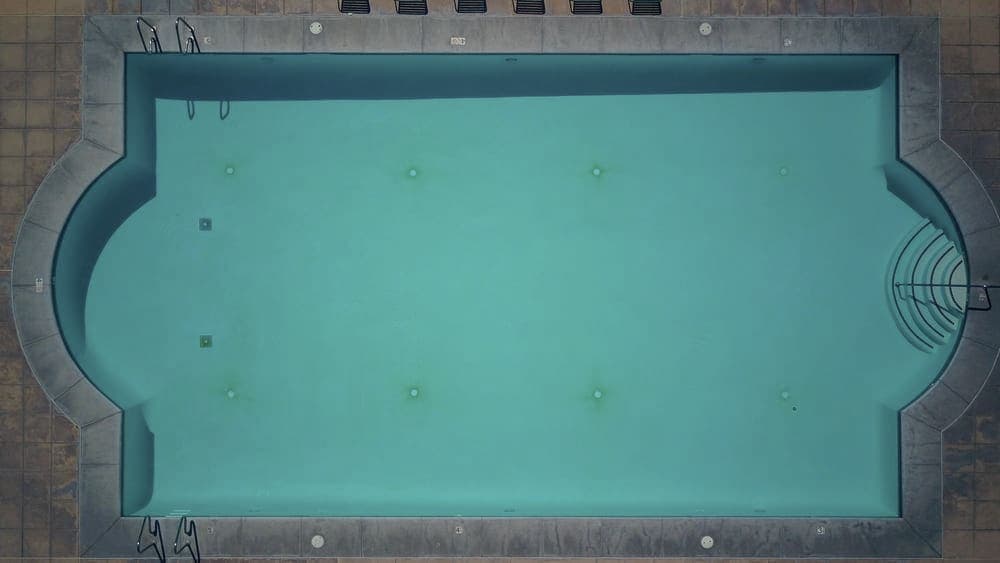
Which covers suit a full-size inground pool, why handling weight outranks material at that scale, and the overnight loss math for a 16-by-32.
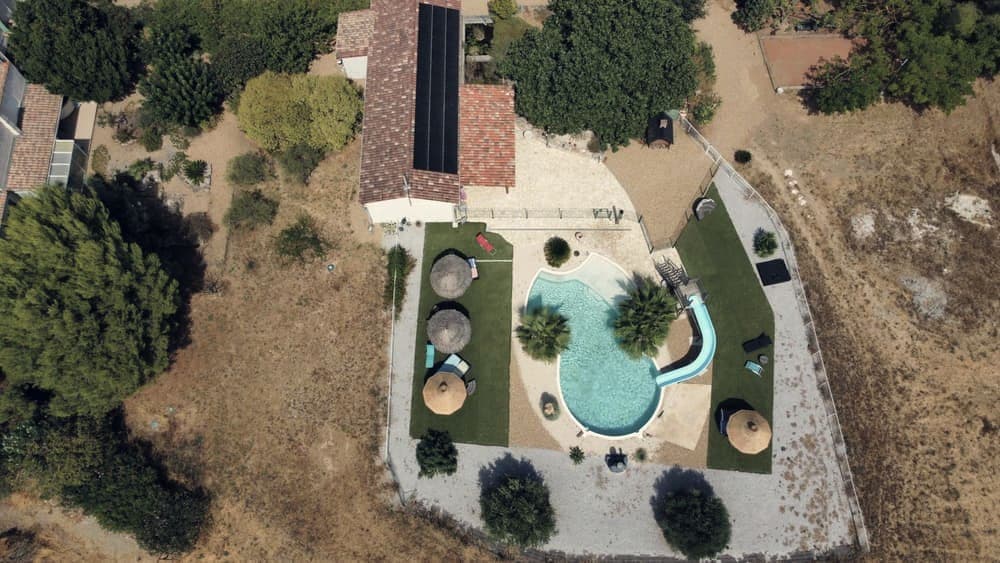
Why fit matters more than thickness on an above-ground pool, and the arithmetic showing why a small pool responds several times faster to the same sunlight.
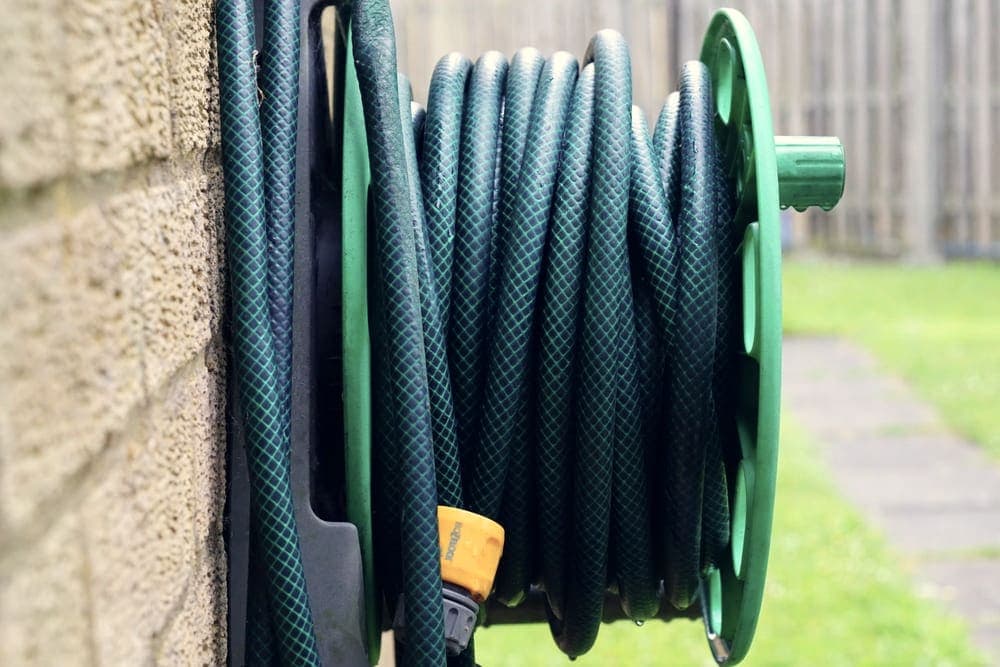
Why a reel is the highest-leverage buy in pool heating, and which ones to look at. Thirty seconds alone versus five minutes and a helper decides whether a cover saves anything.
Above-ground cover reels ranked on fit first: which ones exclude Intex and soft-sided pools, which reach 30 ft, which cannot take a 16-mil cover, and which one ships without the tube.
Floating rings you deploy one at a time. What the gaps between them cost you in evaporation, what they cost per square foot covered, and when they are the right answer anyway.
How liquid covers actually work, why the mechanism means they help overnight and not in daylight, and the honest limits of what anybody can tell you about them.

Size by size: the solar cover to buy for an 18 ft round, a 24 ft round or a 16 x 32 rectangle, and the handling-weight rule that decides the thickness.
A fabric sleeve over the rolled-up blanket, and the cheapest way to extend a solar cover's life. Compared on denier, fit and how well they survive wind.
Kidney, oval, freeform and L-shaped pools: when a cut-to-shape cover is worth it, when to buy a rectangle and trim, and how much material each approach wastes.
Thermal, insulated and solar covers are largely the same product under three names. The exception is GeoBubble, which publishes engineering the rest of the category does not.
Thickness buys years, not degrees. The published lifespan tiers, the cost per year of service, and the case for 12 mil on a large pool.
Clear transmits into the water, blue absorbs at the surface. Same energy budget either way — and the only published test measured no difference between them.
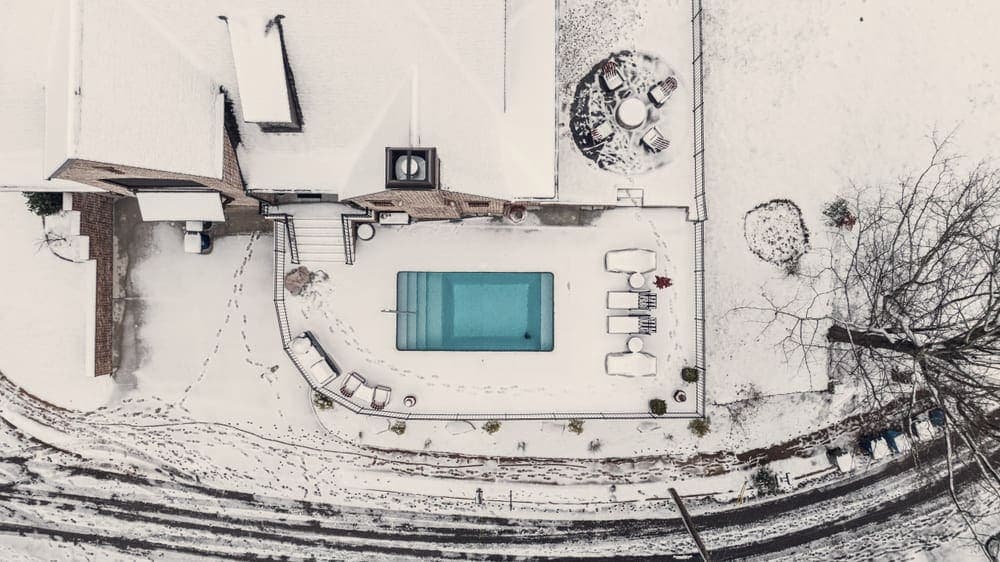
The difference is light transmission, and everything else follows from it. Which cover does which job, whether you need both, and what a winter cover does to your water temperature if you leave it on too long.
The 1200 clear and 1600 blue compared, what the only published hands-on test found about both, and a plain account of what we could not assess.

The Blue Wave 12-mil blanket, what the only hands-on comparison in the category found about it, and an honest account of what we could not judge.
VEVOR sells 12 and 16 mil covers in a wide size range at a genuine discount. Here is what is published, what is not, and when the trade is worth taking.
Intex's own solar covers, what the manufacturer publishes about them, the temperature claim retailers add that Intex never makes, and why fit outranks thickness here.
Bestway's Flowclear covers, why the size in the product name is smaller than the pool it is for, and how to order the right one first time.
Natural Chemistry's Coverfree: the weekly dose arithmetic nobody works out, how long a quart really lasts on your pool, and why the 85% and 70% claims on the same listing are not consistent.
The 4-degrees-versus-15-degrees contradiction that runs through this entire category, reconciled from published physics. Three different quantities being reported as one.
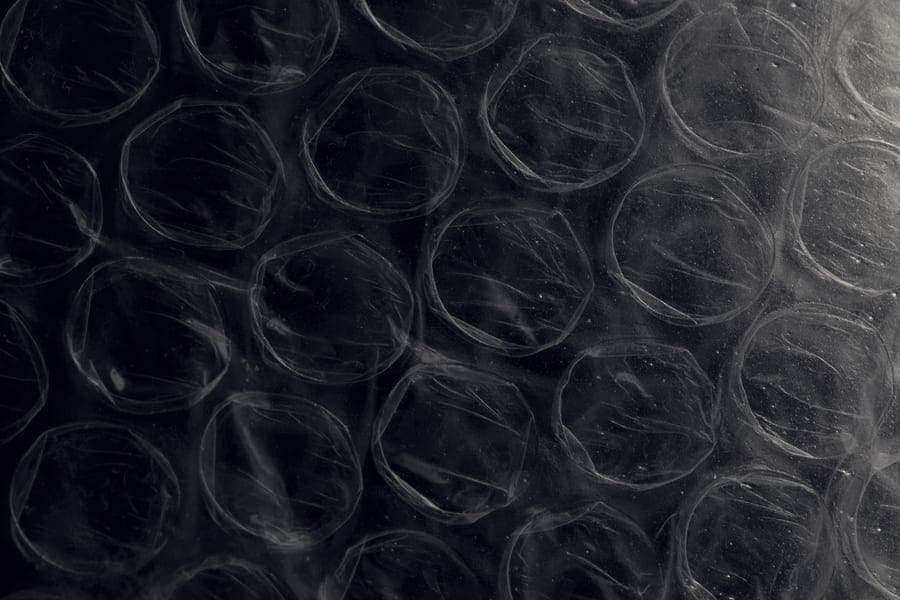
Transmission during the day, evaporation suppression at night. The two mechanisms separated, with the energy arithmetic for each.
The single most-asked question about solar covers, answered in one line and then explained: the bubbles are the insulating layer and have to touch the water.
Why leaving the cover on during daylight is usually right, the two situations where it is not, and what wind does to the calculation.
Measuring for round, rectangular, oval and freeform pools, why you buy up rather than exact, and the above-ground nominal-diameter trap that catches people out.
A tarp blocks the sunlight a solar cover exists to let through, so it cannot warm water. The four jobs a pool cover can do, which ones a tarp manages, and what to buy for each.