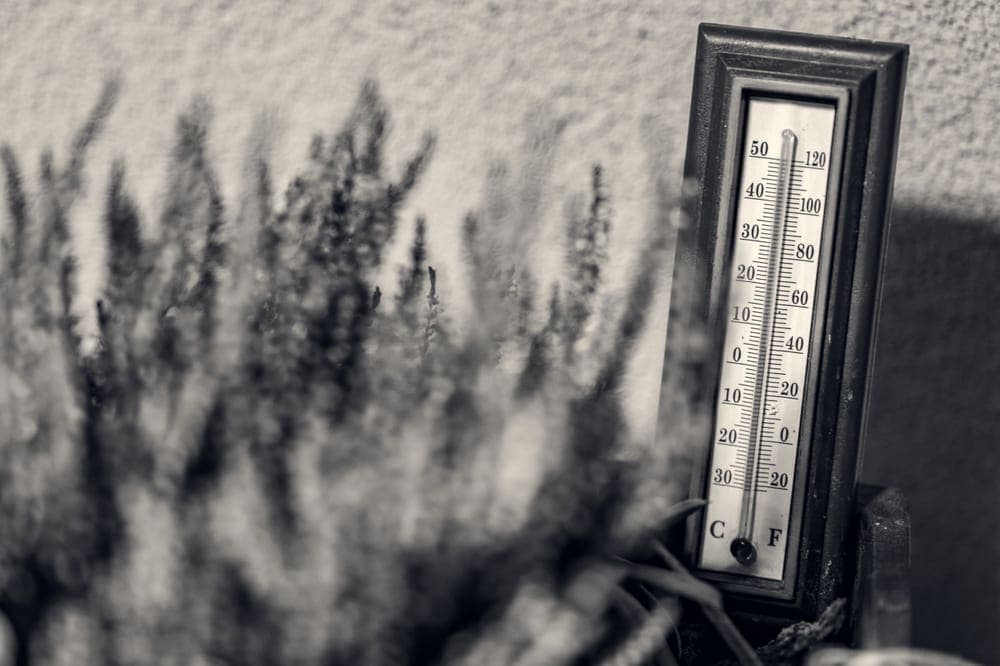
Roundup
Pool thermometers worth buying
Wireless, analog and WiFi-logging pool thermometers ranked on whether you will actually take the dusk-and-dawn reading, what each maker publishes, and the surface-reading limit every float shares.

What temperature to aim for, how fast you lose it, and how far you can stretch the season at both ends.
Most people arrive at this subject from one specific direction: the pool is colder than they want, and they want to know whether that is normal and what to do about it. So start with the target. The Department of Energy’s published recommendation is 78 to 80°F for active swimming and 82 to 84°F for recreational use — and those are two genuinely different numbers, because a lap swimmer generating heat wants cooler water than a child standing still in it.
That gap is worth money. DOE also publishes that each additional degree of target temperature raises heating cost by 10 to 30% depending on location. Going from 80 to 84 is not a small adjustment; it is potentially a doubling of the bill. If the pool feels cold and the people using it are mostly standing in it, the honest answer might be a higher setpoint and a bigger bill — but it should be a decision, not an accident. The temperature page goes through it properly.
A pool is an enormous, uninsulated, open-topped tank of water, and it loses heat continuously by four routes: evaporation, radiation to the night sky, convection to the air, and conduction into the ground. Evaporation is about 70% of it, which is the single most useful fact in this whole subject.
Evaporation is expensive because water carries an enormous amount of energy when it changes phase — 1,048 BTU per pound of 80-degree water, or about 8,730 BTU per gallon. A pool that loses an eighth of an inch overnight has quietly shed hundreds of thousands of BTU. We work that through with real numbers and turn it into dollars.
Wind makes it dramatically worse. DOE’s published figure is that a 7 mph wind across the surface can increase energy consumption by 300% — four times the still-air rate. Seven miles an hour is a light breeze. If your pool sits in an open yard, a hedge or a fence on the prevailing side is doing more thermal work than most equipment upgrades.
The concept this site is built around is not “get your pool to 90 degrees.” It is getting several more usable weeks at each end of the year, which is a much cheaper problem. In spring and autumn the air is cool, the nights are long, and the overnight loss is at its worst exactly when the daytime gain is at its weakest — so the interventions that pay off are the ones that attack the loss.
In rough order of value per dollar: a cover used nightly, then a windbreak — of which a dome over the pool is the most complete version, since DOE puts a 7 mph surface wind at four times the energy consumption of still air — then running circulation during the warm part of the day rather than overnight, then heat. That order is not intuitive — equipment feels like the answer — but it follows directly from where the losses are. The season-extension guide works through the whole sequence, and the overnight page handles the specific case of a pool that is fine at 6pm and cold by morning. The retention pillar ranks every loss path against what addresses it, and heating a pool in winter is the honest answer for anyone asking whether the season stretches all the way.
If your pool is cold right now and you want the short version of what to do about it, start here — it is a decision tree rather than an essay. It begins with a thermometer, and the thermometers worth buying are ranked on the only thing that matters for it: whether the dawn reading actually gets taken.
Wireless, analog and WiFi-logging pool thermometers ranked on whether you will actually take the dusk-and-dawn reading, what each maker publishes, and the surface-reading limit every float shares.
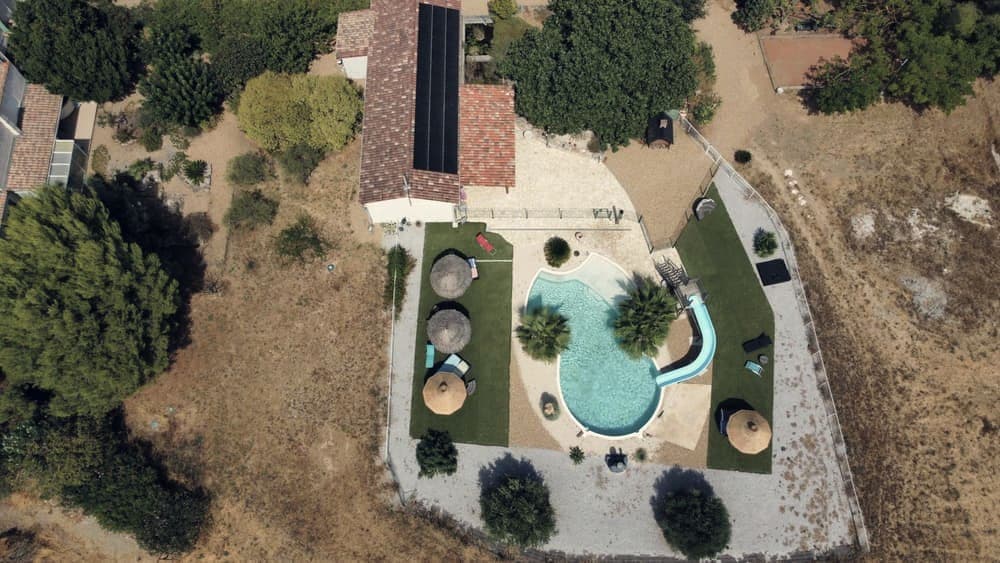
Domes and enclosures for above-ground pools, ranked on shell transparency and on whether the maker publishes a fitment spec you can measure against. With the DOE wind figure behind the whole idea.
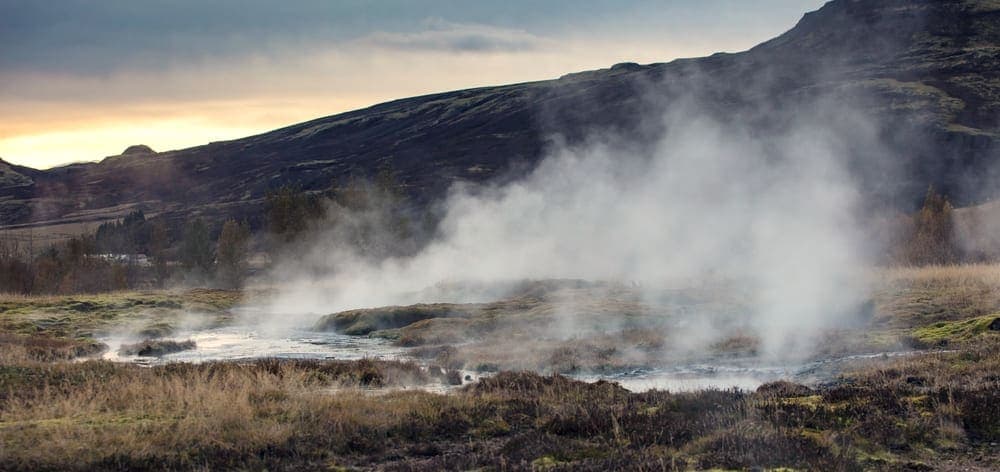
Evaporation, radiation, convection and conduction, with the arithmetic on what each night actually costs and a measurement you can take yourself.
DOE's recommended ranges for swimming and for lounging, why they differ, and the 10-to-30%-per-degree figure that makes the setpoint the biggest lever you own.
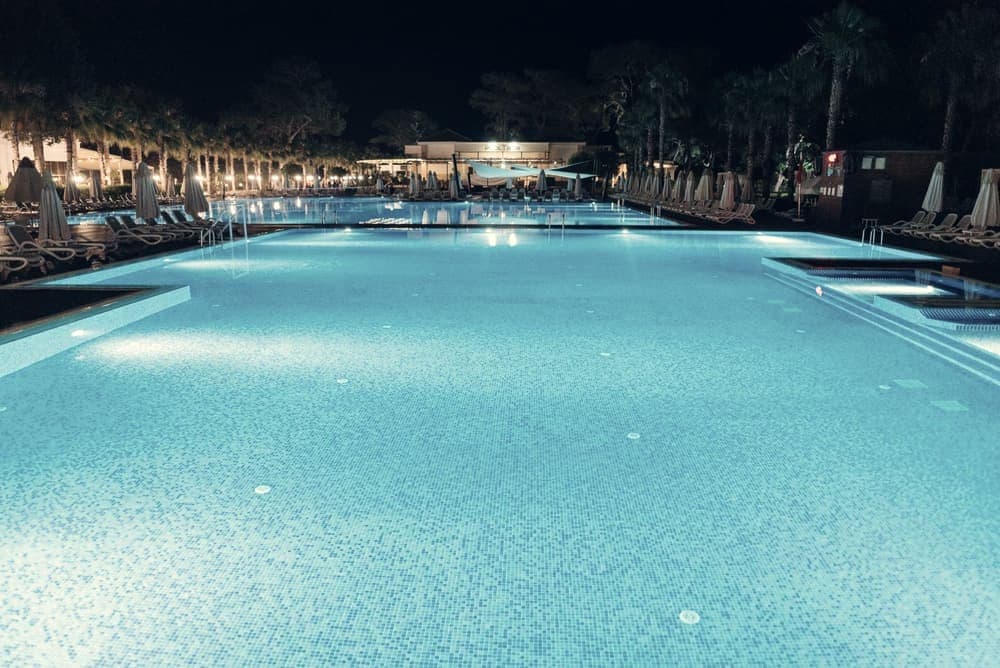
The specific problem of overnight heat loss: what causes it, what each fix is worth, and the order to try them in.
What actually adds weeks at each end of the season, why the shoulder season is a different problem from midsummer, and the order to spend in.
A decision tree rather than an essay: four measurements that identify which problem your cold pool actually has, and what each one costs to fix.
Four loss paths take heat out of a pool and they are not equal. What addresses each one, ranked by effect per dollar, and the operating choices that matter more than equipment.
Why winter heating is not summer heating with a bigger bill: the gap widens, heat pumps fade, wind and evaporation both rise, and freeze protection becomes the real constraint.