
The math
How much does it cost to heat a pool?
The complete cost model: what a million BTU costs to deliver with each fuel, what that means per degree and per pool size, and why heat-up cost is not your monthly bill.

Every figure on these pages is computed from published energy prices and shown as arithmetic you can re-run. No remembered numbers.
Almost every page that answers “how much does it cost to heat a pool” gives you a range and no derivation. You are told gas runs $200 to $500 a month and a heat pump $50 to $150, and you have no way to tell whether that applies to a 10,000-gallon pool in Arizona or a 30,000-gallon pool in Michigan. It is a number without a model.
These pages do it the other way round. Every figure here starts from three published inputs — the energy price, the fuel’s energy content, and the equipment’s efficiency — and shows the multiplication. That means you can substitute your own numbers and get an answer that is true for you rather than true on average, which is the only version of this that is any use.
There is really only one equation, and everything else on this site is an application of it:
BTU needed = gallons × 8.33 × the degrees you want. A gallon of pool water weighs about 8.33 pounds, and one BTU raises one pound of water by one degree Fahrenheit. So a 20,000-gallon pool needs 1,666,000 BTU to gain 10 degrees. That figure does not care what you burn to produce it.
Time = BTU needed ÷ what your heater delivers per hour. With the caveat that catches people out: gas heaters are rated by fuel input and heat pumps by heat output, so the numbers on the two boxes do not mean the same thing. The timing page works this through with real equipment sizes.
Cost = BTU needed × the price of delivering a BTU with your fuel. That last term is where the whole argument lives, and the main cost page derives it for all five options from current EIA prices. Short version: about $10.75 per million BTU for a heat pump, $28.36 for natural gas, $35.66 for propane, $53.75 for electric resistance, and nothing for solar.
A distinction the category routinely blurs. What the equation above gives you is the cost of a one-time temperature rise — bringing a cold pool up ten degrees, once. That is not your monthly bill.
Your monthly bill is dominated by maintenance: replacing the heat that leaks out every night, which DOE attributes about 70% to evaporation. That is why how fast your pool loses heat matters more to your bill than how fast your heater fills it, and it is why a cover changes the running cost far more than it changes the heat-up time.
It also explains the DOE figure that ought to be on the front of every pool heater manual: raising your target temperature by a single degree raises your heating cost by 10 to 30% depending on where you live. Not 10 to 30% of a degree’s worth — 10 to 30% of the whole bill. The thermostat setting is the largest lever you own.
One cost people leave out entirely: how long the machine lasts. A heater that needs replacing in year six has a very different total cost from one that runs to year fifteen, and what actually fails, and when is largely decided by a component you choose at purchase.
One case gets its own page because the arithmetic changes: when the old heater has already failed. At that point the plumbing is cut and the pad is open, which makes replacing a pool heater the cheapest moment there is to change fuel — and the moment most people spend copying the number off the old data plate instead.
The one calculation nobody publishes is whether a cover pays for itself, and it is easy to answer once you have the machinery above. You need your overnight temperature drop, your volume and your fuel. We do it end to end on the payback page, and the calculator does it with your numbers. For most gas-heated pools the answer is measured in weeks, not seasons.
Below: the running-cost pillar, the timing math, what the equipment itself costs, the winter case, and the payback analysis. Two pages answer the questions people actually type before they spend: whether a pool heater is worth it — three numbers, two of them yours to measure — and which heaters are genuinely the most efficient, including the rating that makes the worst one look like the best.
The complete cost model: what a million BTU costs to deliver with each fuel, what that means per degree and per pool size, and why heat-up cost is not your monthly bill.

The heating-time formula with worked examples across pool sizes and heater types, and the input-versus-output rating difference that makes listings misleading.
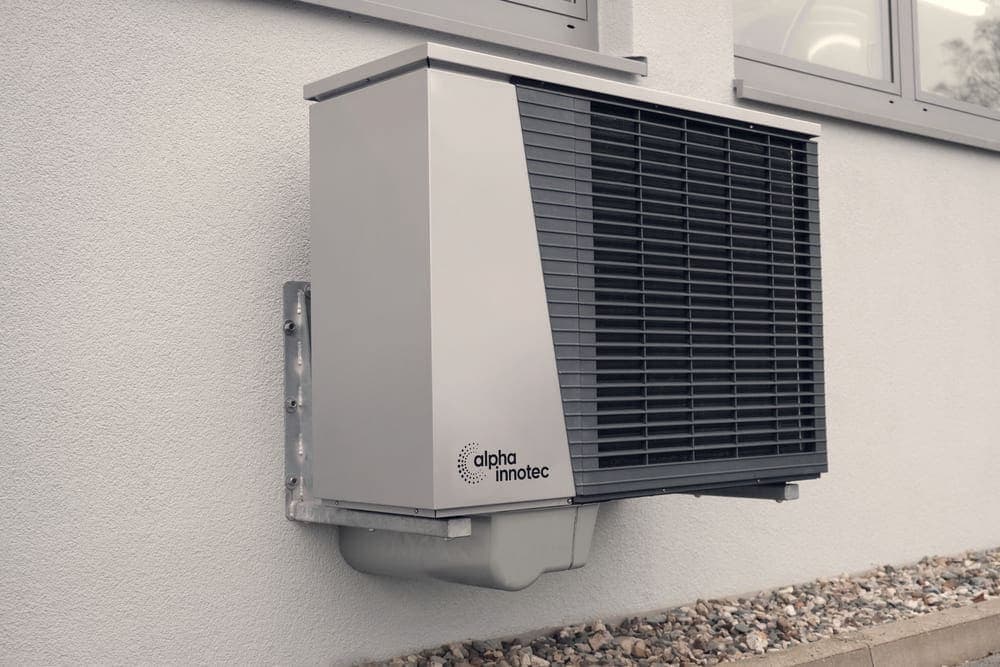
The heat pump running-cost derivation, what happens to it in cold air, and the two inputs that change the answer more than anything else.

The full payback derivation from one measurement you can take tonight, plus a sensitivity table for people whose pool is nothing like the example.

Why winter heating costs escalate faster than the temperature difference suggests, what changes in the physics, and when it is genuinely worth doing.
Purchase, install and running cost taken together, and why the cheapest heater to buy is regularly the most expensive one to own.
The pre-purchase doubt, answered with arithmetic: what a heater costs to run per week of swimming you actually gain, when the honest answer is no, and the cheaper thing to try first.
Efficiency ranked properly: COP against thermal efficiency, why a heater rated 100% is the worst buy, what the 2028 federal standard changes, and the picks that come out on top.
Lifespan by heater type, the components that actually fail, what the warranties really cover, and how that should change what you buy in the first place.
What carries over from the old heater and what does not, why matching the old BTU is usually wrong, and why a replacement is the one affordable moment to switch fuel.