Roundup
Solar pool heaters
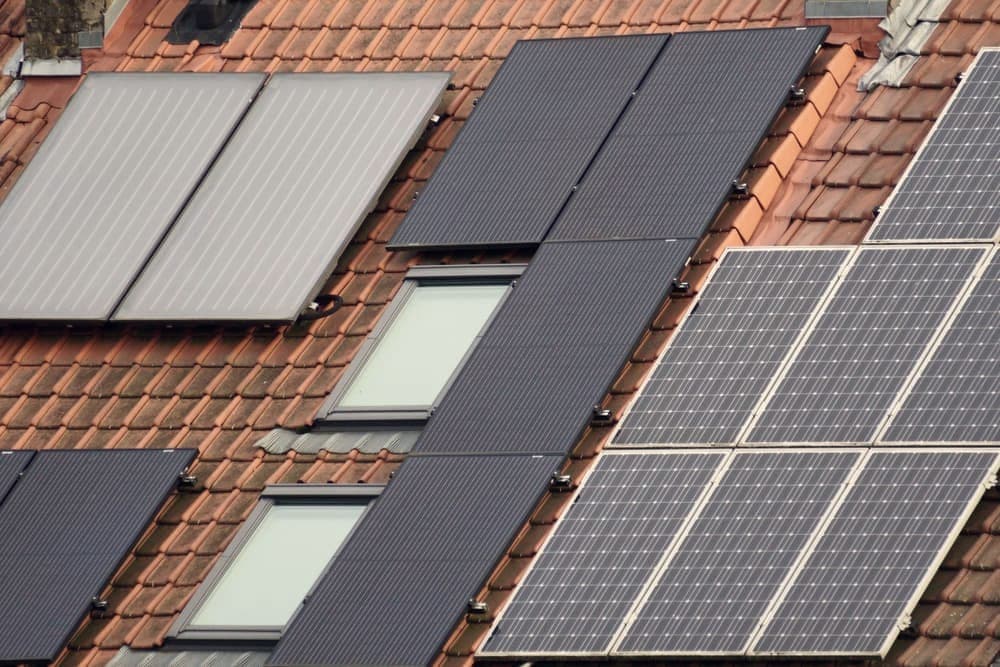
Solar collector panels: zero fuel cost forever, at the price of getting the sun's schedule instead of your own. Ranked, with the trade stated plainly.
Five ways to add heat, ranked by what they actually cost to deliver it — worked out from current fuel prices rather than repeated from somewhere else.
There are five ways to put heat into a swimming pool, and the honest version of the comparison is not the one usually published. Most articles rank heaters by purchase price and running cost separately, which lets the two cancel each other out in the reader’s head and resolves nothing. The number that decides the argument is what it costs to deliver a million BTU into the water, because that is the unit of the actual job.
At US average residential energy prices, and at the equipment efficiencies we publish and let you change, that number comes out like this: solar costs nothing to run. An electric heat pump costs about $10.75. Natural gas costs about $28.36. Propane costs about $35.66. An electric resistance heater costs about $53.75 — five times the heat pump, on the same electricity.
That spread surprises people because fuel price alone points the other way. Electricity is dear per unit of energy bought and natural gas is cheap. The reversal happens because a heat pump does not make heat, it moves it, delivering roughly five units of heat for every unit of electricity it draws. Once you divide through by efficiency, the ranking inverts. Dividing through by efficiency is the whole job, and it is what the cost pages are for.
The running cost is not the only axis, and pretending it is would be its own kind of dishonesty. Three trades decide it:
Speed against cost. A gas heater will lift a 20,000-gallon pool ten degrees in about five hours. A heat pump of a typical size takes most of a day. That comparison comes down to whether you hold a temperature all season or heat a weekend pool on Friday afternoon. If it is the latter, gas is the right answer even though it costs more per BTU. The ranked picks are split by type — heat pumps and gas heaters — with the three gas brands set side by side for anyone already down to a shortlist.
Control against free. Solar panels cost nothing to run, forever, and that is not a small thing. What you give up is the thermostat: you get whatever the sun delivered that week, and on a cold cloudy stretch — exactly when you want heat most — they deliver very little. If you have already decided on solar, the install guide covers the part nobody writes about: how much collector area you really need, where it goes, and the system kit that is sold separately. For above-ground pools specifically, the solar heaters sized for them are ranked here — including why the dome heaters that dominate that search are the smallest collector you can buy.
Adding heat against keeping it. This is the one the category skips. A hundred-dollar cover and a three-thousand-dollar heater are not competing products, but for a lot of pools the cover does more of the job. If your pool is dropping several degrees overnight, you are buying a heater to replace heat you could simply have kept. Doing it with no heater at all is a real strategy, not a consolation prize.
Three narrower questions come up constantly and each has its own page. If there is no gas line at the property, the fuel is propane, and its running cost is the thing to settle before the model. If the pool is above ground, the heat pumps worth having are a different and much smaller class of machine, some of which plug into a wall socket. And if the pool is salt, one component decides the whole purchase — the heat exchanger material.
Choosing between manufacturers rather than models? Our brand comparison sets Hayward, Pentair, Raypak, Jandy, AquaCal and FibroPool against each other on what each is willing to publish, and the Hayward HeatPro review covers the unit every other heat pump on this site gets priced against.
Four narrower reads added this round. Solar at inground scale is a different purchase from the mats sold for above-ground pools — panel arrays for inground pools ranks them on collector area, which is the only number that decides whether solar works. Inverter heat pumps covers the modulating tier and which of their efficiency claims can actually be checked. The FibroPool FH255 is the small-pool heat pump this site keeps reaching for, now reviewed properly. And when the season ends, winterizing the heater is where the expensive mistakes happen.
One thing worth knowing before you shop, because it costs people real money: gas heaters are rated by fuel INPUT and heat pumps by heat OUTPUT. A 400,000 BTU gas heater burns 400,000 BTU an hour and delivers roughly 82% of it. A 140,000 BTU heat pump delivers 140,000 BTU. Compare those two numbers directly — which is what the listings invite you to do — and you will badly over-rate the gas heater. The sizing guide works through what you actually need.
Below: the full walkthrough of how to heat a pool, the ranked picks across every heater type, a close read of AquaCal’s HeatWave SuperQuiet — one of the very few pool heat pumps that publishes an efficiency figure and the conditions behind it , the solar heater picks, the head-to-head comparisons — solar against gas, gas against electric and which electric heater is which — and the cheap approaches that work better than their price suggests. If you want a number for your own pool rather than a general answer, the running-cost calculator takes your volume, your rate and your equipment and shows its working.
Solar collector panels: zero fuel cost forever, at the price of getting the sun's schedule instead of your own. Ranked, with the trade stated plainly.
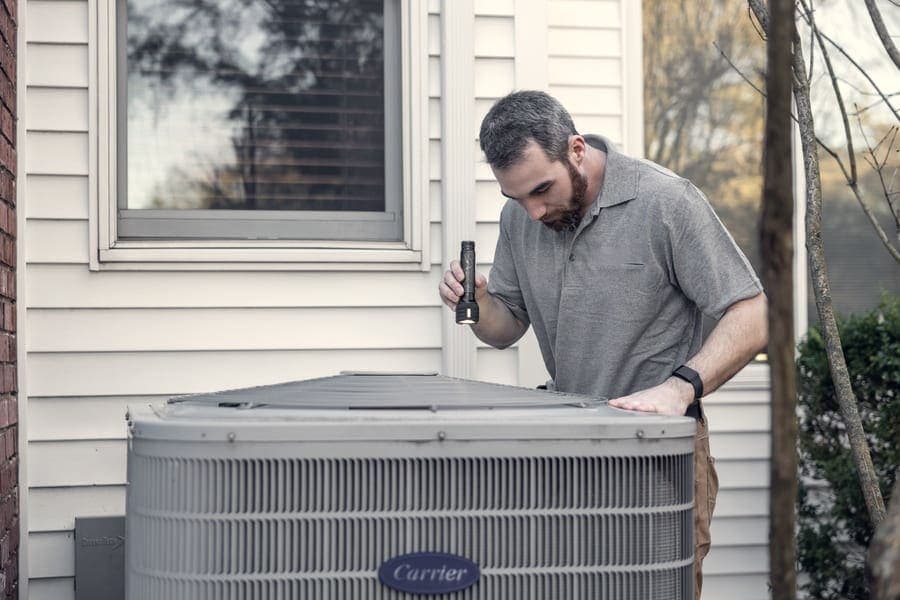
Every type of pool heater ranked on what it costs to deliver a million BTU into the water, how many hours it needs to do it, and what the install actually involves.
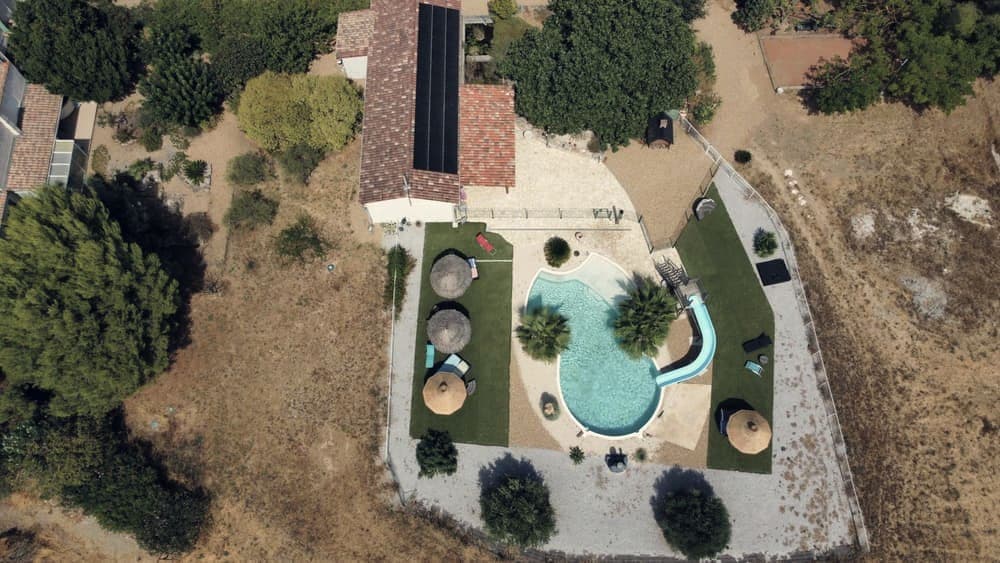
Why a small pool is much cheaper to heat, which options make sense at that scale, and the one place an electric resistance heater is genuinely defensible.

Every kind of solar heater sold for above-ground pools, ranked on collector area against pool surface — the arithmetic that shows why one dome does almost nothing and one panel system is only a start.
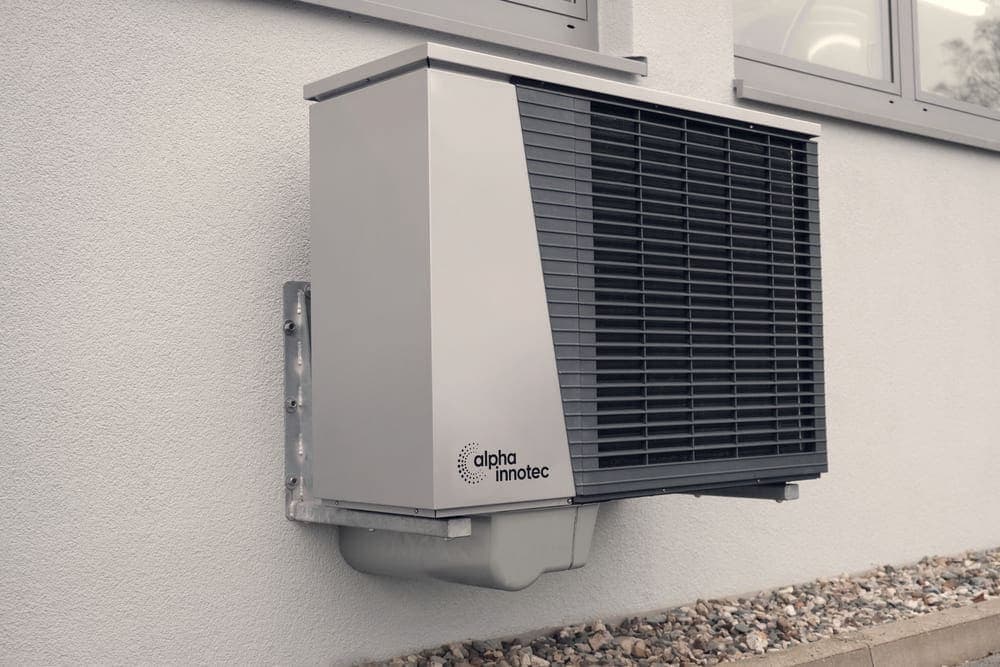
Full-size and small heat pumps ranked on published output, exchanger material and what the manufacturer will actually say about efficiency. With the sizing math for your pool.
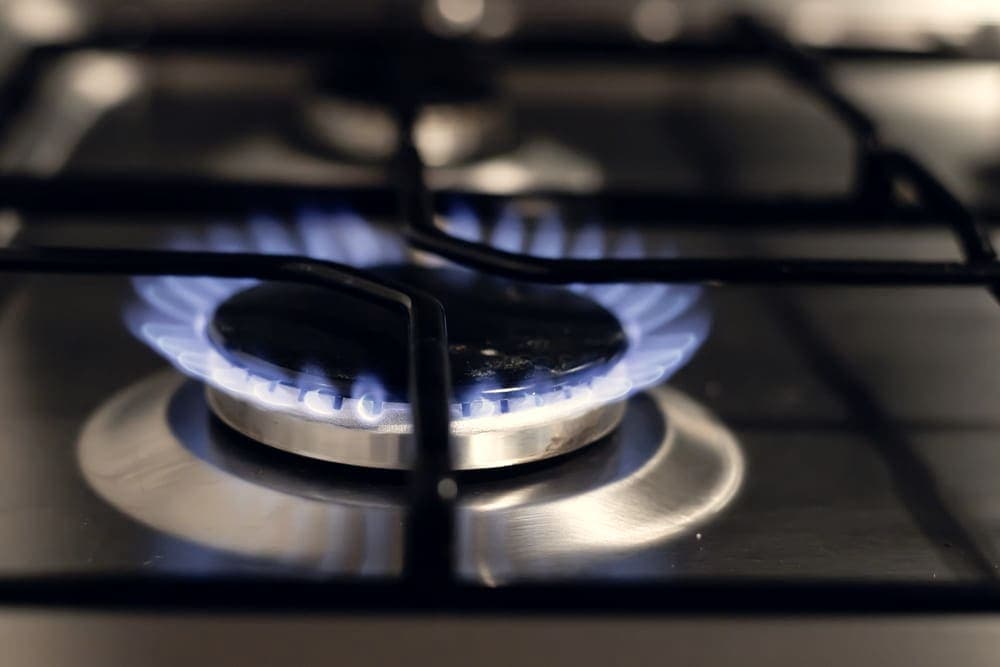
Raypak, Hayward and Pentair gas heaters ranked, with the natural gas and propane arithmetic, the rating trap, and why the gas line usually decides which one you can actually have.
The propane heaters worth buying, ranked by how much propane they burn as well as how fast they heat. With the tank-burn arithmetic and the case for not burning propane at all.
Pentair MasterTemp 125 125,000 BTU Propane Pool and Spa Heater
$2,158.00 · View on Amazon18,000 to 55,000 BTU heat pumps for above-ground pools, including 110V plug-in units. Ranked on published output and warranty, with the hours-to-temperature arithmetic.
Panel arrays sized for inground pools, ranked on collector area per dollar, header size and warranty. With the arithmetic for how much collector your pool needs.
SwimEasy DIY Solar Pool Heater Kit, 4 x 4x10 ft Collectors
$1,796.99 · View on AmazonThe two options priced per delivered BTU and timed on the same pool, with the one question that decides which trade suits you.
Free-to-run solar collectors against a controllable heat pump. What each one is genuinely good at, and the case for running both.

A hundred-dollar cover against a three-thousand-dollar heater, and the measurement that tells you which half of the problem you actually have.
Zero dollars per million BTU against about twenty-eight, and roughly a day of sunshine against about six hours. Which trade suits your pool, and the case for owning both.
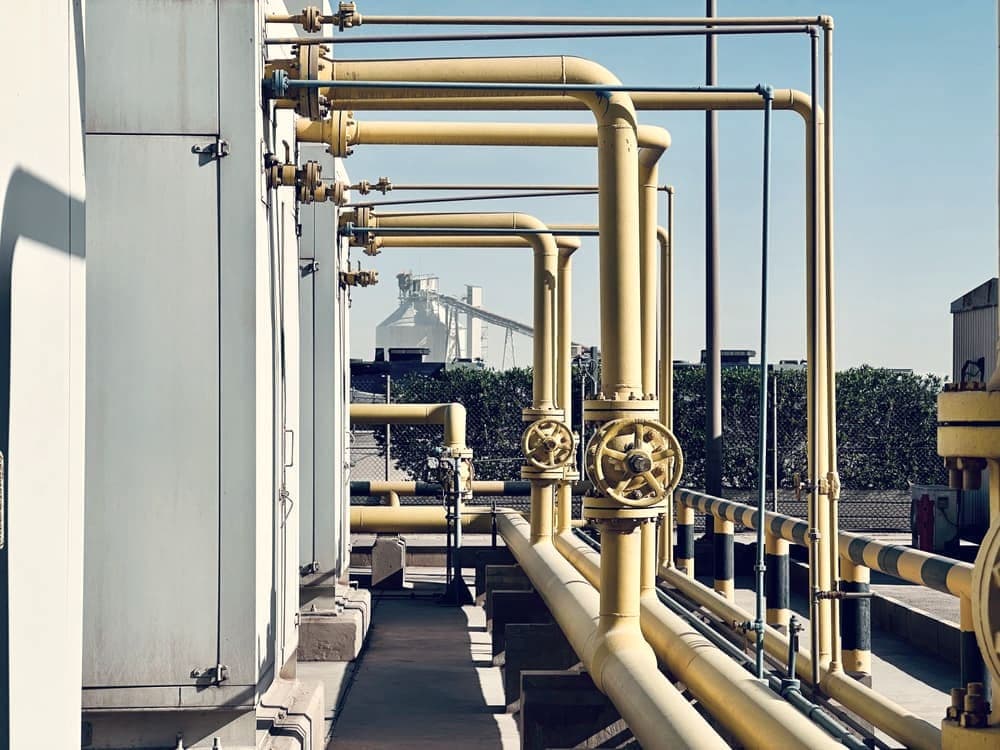
Gas sits between the two electric options, not against them: cheaper to run than a resistance element, much dearer than a heat pump, and faster than both.
The three gas-heater brands buyers compare, set side by side on published input, efficiency claims, exchanger material and gas demand — with the honest finding that size class matters more than badge.
Hayward, Pentair, Raypak, Jandy, AquaCal and FibroPool at brand level: what each builds, what each publishes, and which to shortlist.
What an inverter actually changes, why 'COP up to 15' is not a number you can use, and the one maker that publishes enough to let you check its own claim.
Dr. Infrared DR-1100HP 110,000 BTU Full DC Inverter Pool Heat Pump
$4,211.41 · View on AmazonThe 28685E solar mat: a collector plumbed into a small pool's filter line, rated to 8,000 gallons, with no running cost at all. What Intex publishes and where the limits are.
The Raypak 336 Digital on the record: a stated 82% efficiency, six hours for a full-size pool, a gas demand most houses were not piped for, and the questions no listing answers.
Hayward's 150,000 BTU gas heater on the record: cupro nickel as standard, a published flow window, one year of parts cover, a power rating that cannot be right, and no thermal efficiency figure anywhere.
The MasterTemp 400 in natural gas and propane: a 400,000 BTU/hr input, about five hours for a full-size pool, low-NOx certified, and an efficiency claim with no percentage attached.
AquaCal's SuperQuiet line on the record: a published COP of 5.7 at a summer test condition, a titanium exchanger, a narrow flow window, and less heat per hour than the two full-size rivals this site already ranks.
The full-size heat pump this site uses as its benchmark. Titanium exchanger, explicit saltwater compatibility, no published COP, and two live listings with different part numbers.
55,000 BTU for pools to 10,000 gallons, a manufacturer-stated COP of 5.92, a titanium exchanger and a stated Limited Lifetime warranty. Plus the honest limit: it is not much heat.
The Manatee M18, Beluga B33V and Beluga B160V on the record: what TURBRO publishes, what its COP numbers are worth, and the hours-to-temperature arithmetic for each.
The complete walkthrough: what your pool actually needs in BTU, every heating option priced per delivered million BTU, and the order to try them in.
Salt corrodes the one part of a heater you cannot replace cheaply. Titanium against cupro-nickel against copper, and the heaters that state which they use.

Cheapest to buy is a cover. Cheapest to run is solar, then a heat pump. The arithmetic for both, and a spending order that works at any budget.

Everything that adds or keeps heat without buying a heater, with the published figure behind each one, and a clear statement of where the approach runs out.
What actually governs heating speed, the input-versus-output rating trap that makes gas heaters look faster than they are, and the tricks that do and do not help.
The physics of a homemade solar collector, how much area you actually need, and an honest list of the parts that take longer than the videos suggest.
How to size a heater from your pool's actual energy requirement, the input-versus-output rating trap, and why the answer gets smaller once you own a cover.
Heat pump or resistance element? Both are sold as electric pool heaters and one costs five times what the other does to deliver the same heat. How to tell which is which before you buy.
How much collector area you actually need, where it can go, how it plumbs in, the pump specification that rules people out, and the system kit that is not in the panel box.

What freezing water does to a heat exchanger, the plugs and valves to open, and why a sealed waterproof cover damages more heaters than it protects.
Intex's entire US heating range is one solar mat. The heaters that suit an Intex, Bestway or inflatable pool, ruled in and out on power supply, pump flow rate and hose size rather than on output.
Why a domestic or tankless water heater cannot do a pool heater's job even when its BTU rating looks adequate: the minimum flow rate, the connection size and the water it was built for.
The four jobs a bypass does, which heater types genuinely require one, and why even a thirty-dollar solar mat ships with one in the box.