Gas vs electric pool heater
The comparison is unanswerable as usually asked, because electric means two machines whose running costs differ by five times.
Quick picks
Three machines and a skip, because this comparison is really a three-way and pretending it is a two-way is what makes it confusing.
| # | Product | Best for | Price |
|---|---|---|---|
| 1 | 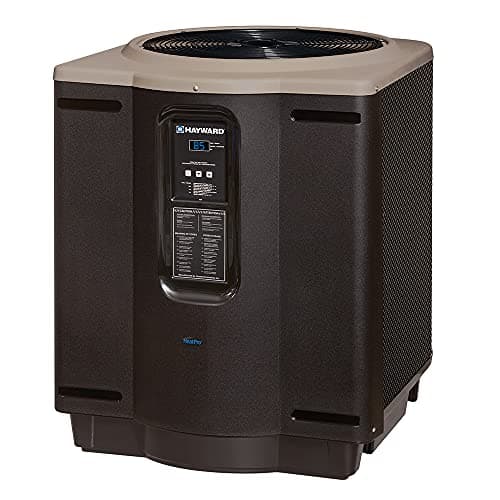 The electric that wins on cost Hayward HeatPro Pool Heat Pump About $10.75 per million BTU delivered — cheaper to run than gas by a wide margin. | Lowest running cost per degree when you want real temperature control | |
| 2 | 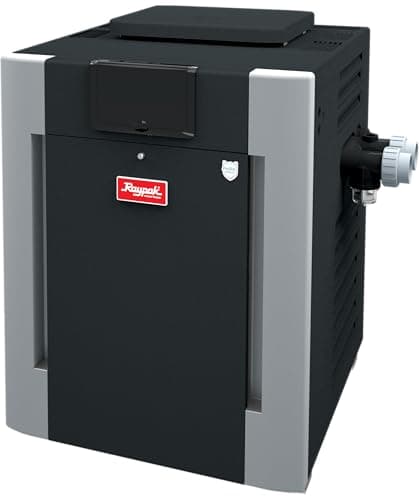 The gas that wins on speed Raypak Digital Natural Gas Pool Heater About six hours where a heat pump takes twelve, in any weather. | Heating fast and occasionally, rather than holding a temperature | |
| 3 | 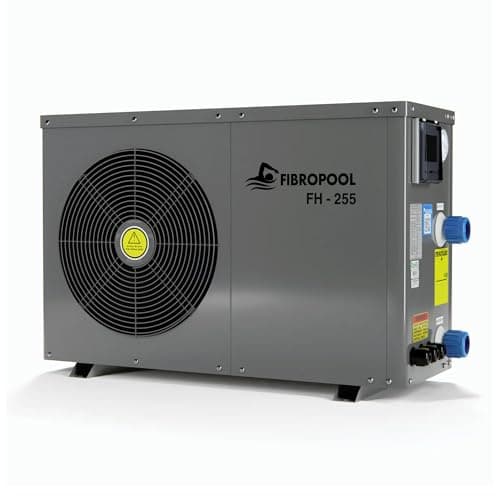 The small-pool electric FibroPool FH255 55,000 BTU Pool Heat Pump A published COP of 5.92 on a machine matched to pools under about 10,000 gallons. | A smaller pool where a full-size heat pump is more machine than the water needs | |
| — | No photo The electric that loses to everything An electric resistance pool heater About $53.75 per million BTU. Right for a spa, wrong for a pool. | Spas and very small above-ground pools only |
#ad We earn a commission if you buy through this link, at no extra cost to you. It never changes the ranking. How this site is funded. Prices last checked October 17, 2026.
Why this comparison usually goes wrong
Ask whether gas or electric is better for a pool and you will get confidently opposite answers, and both camps are right. The reason is that “electric” describes two unrelated machines: a heat pump, which moves heat from the outside air into the water, and a resistance element, which converts electricity straight into heat like a kettle.
One of them costs a fifth of what the other does to deliver identical heat, on identical electricity. Until you know which one is meant, the comparison with gas has no answer.
| Machine | Per million BTU | 20,000 gal, +10°F | Hours |
|---|---|---|---|
| Electric heat pump | $10.75 | $17.91 | About 12 |
| Natural gas | $28.36 | $47.24 | About 6 |
| Propane | $35.66 | $59.41 | About 6 |
| Electric resistance | $53.75 | $89.55 | Depends on the element |
Computed from EIA residential energy prices for June 2026 at the equipment efficiencies we publish: 82% thermal efficiency for gas and propane, an assumed COP of 5.0 for the heat pump and 1.0 for resistance. Hours assume a 336,000 BTU gas heater and a 140,000 BTU heat pump. Put your own rates in.
Gas against a heat pump
This is the comparison most people are actually making, and it comes down to a single question about how you swim.
Hold a temperature all season and the heat pump wins decisively, because you pay the running cost every day for months and it is roughly 38% of the gas figure. Heat on demand — a weekend pool warmed on Friday — and gas wins, because you pay its premium for only a few hours a month and the speed is the entire product.
There is a second axis: air temperature. A heat pump extracts heat from the air, so its output and its efficiency both fall as the air cools, and below roughly 50°F it delivers very little. Gas does not care. If your goal is April and October rather than June and September, that shifts the answer toward gas even for a season holder. The full head-to-head works through both axes.
Gas against a resistance heater
Here gas wins comfortably on a full-size pool, at about $28.36 per million BTU against about $53.75. It is one of the few places where burning fuel is straightforwardly the cheaper option, and the reason is that a resistance heater has no efficiency to exploit — it converts one for one and there is nowhere to improve.
The exception is scale. On a spa or a very small above-ground pool, the absolute numbers get small enough that the resistance heater’s simplicity — often a plug rather than a gas line — is worth more than the efficiency. Which electric heater is which goes through how to tell them apart on a listing.
The install decides more of this than the fuel does
Running cost gets all the attention, and the install is what actually blocks people:
- Gas needs a line sized for the burner. An existing residential line frequently is not, and upsizing a run can exceed the cost of the heater. Price this before committing to gas.
- A heat pump needs a dedicated 240 V circuit and clearance for airflow on every side. Usually simpler than a gas line. Sometimes not.
- Resistance heaters need current out of proportion to their output, which is why the small ones plug in and the larger ones need an electrical upgrade.
Get both quoted for your property before deciding on the running-cost numbers alone. The spread on install can be larger than several seasons of the fuel difference.
What we would actually do
For most pools that get used across a whole season: a heat pump, plus a cover so the heat pump has less to replace. For a pool used unpredictably or in a cold shoulder season: gas, plus the same cover so you fire it fewer hours. For a spa or a very small above-ground pool: a resistance heater is fine and the simplest thing that works.
In all three cases the cover comes first, because about 70% of what you are replacing left through evaporation and no heater on this page does anything about that. The ranked picks across every heater type set the four technologies out side by side on the same basis.
Every pick, in detail
What each one publishes, what is good and bad about it, and — the section this category usually omits — what we could not judge without owning one.
Hayward HeatPro Pool Heat Pump
If you are heating a pool with electricity, this is the shape of machine to do it with. A heat pump moves heat instead of making it, and at the assumptions we publish it delivers a million BTU into the water for about a fifth of what an electric resistance heater costs to deliver the same. It is slower than gas and it fades as the air gets colder, which is exactly when you want it — that trade is the whole decision.
Best for Lowest running cost per degree when you want real temperature control
| Type | Air-source heat pumpThe manufacturer publishes no retrievable specification sheet; figure is as listed at retail. | Retail listing |
|---|---|---|
| Rating convention | Rated by BTU/hr OUTPUTThis is the trap in the category. Gas heaters are rated by fuel INPUT, heat pumps by heat OUTPUT. A 140,000 BTU heat pump and a 140,000 BTU gas heater do not deliver the same heat. | Published standard |
| Cost per million BTU delivered | About $10.75 at our published assumptionsUS average residential electricity at 18.34 cents/kWh (EIA, June 2026) and an assumed COP of 5.0. Both are substitutable on our running-cost calculator. | Our arithmetic |
- Cheapest running cost per delivered BTU of any controllable heater
- No gas line, no combustion, no flue
- Holds a set temperature rather than depending on the weather
- Slow — expect most of a day to move a full-size pool ten degrees
- Efficiency falls with air temperature, so it is weakest in the shoulder season
- High purchase price against a gas heater of comparable output
- The COP this specific unit achieves at your conditions
- Compressor and control-board longevity
- Noise at the distance your deck actually sits from it
These need a unit in hand across a season. We do not have one, so we do not have an opinion worth printing on them.
#ad We earn a commission if you buy through this link, at no extra cost to you. It never changes the ranking. How this site is funded. Prices last checked October 17, 2026.
Raypak Digital Natural Gas Pool Heater
The right answer when speed matters more than running cost — a weekend pool you want warm on Friday afternoon rather than one you hold at temperature all season. At the assumptions we publish, gas costs roughly two and a half times what a heat pump costs per delivered BTU, and it will get there in a fifth of the time. Buy the speed if you need the speed.
Best for Heating fast and occasionally, rather than holding a temperature
| Type | Natural gas or propane fired, digital controlThe manufacturer publishes no retrievable specification sheet; figure is as listed at retail. | Retail listing |
|---|---|---|
| Rating convention | Rated by BTU/hr INPUTA 400,000 BTU gas heater burns 400,000 BTU an hour and delivers roughly 82% of it. Do not compare that number directly against a heat pump's output rating. | Published standard |
| Cost per million BTU delivered | About $28.36 at our published assumptionsUS average residential natural gas at $24.09/Mcf (EIA, June 2026) and an assumed 82% thermal efficiency. | Our arithmetic |
- Fast — hours rather than most of a day on a full-size pool
- Works the same in cold air, unlike a heat pump
- Lower purchase price than a heat pump of equivalent real output
- Roughly two and a half times a heat pump's cost per delivered BTU
- Needs a gas line sized for it, which is often the real cost
- Propane instead of natural gas raises the running cost by about a quarter again
- The efficiency this specific unit achieves in service
- Heat exchanger life against your water chemistry
- Whether your existing gas supply can feed it without an upgrade
These need a unit in hand across a season. We do not have one, so we do not have an opinion worth printing on them.
#ad We earn a commission if you buy through this link, at no extra cost to you. It never changes the ranking. How this site is funded. Prices last checked October 17, 2026.
FibroPool FH255 55,000 BTU Pool Heat Pump
The heat pump worth looking at when a full-size one is more machine than the pool needs. FibroPool publishes 55,000 BTU/hr of output and a rated COP of 5.92, which is above the 5.0 we assume for heat pumps generally — so on the pool sizes the manufacturer actually names, the running cost lands below the category figure. The catch is the other side of the same number: 55,000 BTU/hr is not much heat, and on a pool larger than FibroPool lists it will run all day and never catch up.
Best for A smaller pool where a full-size heat pump is more machine than the water needs
| Rated output | 55,000 BTU/hrPublished as OUTPUT, which is the heat-pump convention. It is not comparable with a gas heater's input rating. | Manufacturer |
|---|---|---|
| Pool sizes the manufacturer names | Above-ground up to 21 ft round or 15 x 30 ft oval; inground up to 10,000 gallons | Manufacturer |
| Supply | 240 V | Manufacturer |
| Rated COP | 5.92FibroPool words this as 5.92 times the heat for every dollar of electricity. The conditions it was rated under are not published, and a heat pump's COP falls as the air cools, so read it as a best case rather than a season average. | Manufacturer |
| Cost per million BTU delivered | About $9.08 at the published COPUS average residential electricity at 18.34 cents/kWh (EIA, June 2026) divided by the published COP of 5.92. At the more conservative COP of 5.0 we use across the site it comes out at about $10.75. | Our arithmetic |
- A published COP of 5.92, above the 5.0 we assume for the category
- All electric — no gas line, no flue, no combustion air to arrange
- Sized and priced for pools that a full-size heat pump is wasted on
- 55,000 BTU/hr is modest: about 30 hours to lift 20,000 gallons ten degrees
- Wants a dedicated 240 V circuit, which is an electrician's visit if you do not have one
- Like every heat pump, it fades as the air cools — the shoulder season you bought it for
- The COP this unit reaches at your air temperature and humidity
- Compressor and control-board life, which decides whether a cheaper heat pump is a bargain
- How loud it is at the distance your deck actually sits from it
These need a unit in hand across a season. We do not have one, so we do not have an opinion worth printing on them.
#ad We earn a commission if you buy through this link, at no extra cost to you. It never changes the ranking. How this site is funded. Prices last checked October 17, 2026.
An electric resistance pool heater
Skip it for a full-size pool, and the arithmetic is not close. At the same electricity price, a resistance heater costs about five times what a heat pump costs to deliver the same heat, because it makes heat instead of moving it. It has a legitimate niche on a small above-ground pool or a spa where the volume is tiny and the install is a plug. On 20,000 gallons it is the most expensive way to heat water that exists.
Best for Spas and very small above-ground pools only
| Cost per million BTU delivered | About $53.75 at our published assumptionsUS average residential electricity at 18.34 cents/kWh (EIA, June 2026) at a coefficient of performance of 1.0. Compare with about $10.75 for a heat pump on the same electricity. | Our arithmetic |
|---|---|---|
| Efficiency | About 1:1 — no efficiency to argue about | Published standard |
- Cheap to buy and often just plugs in
- Genuinely sensible on a spa or a very small pool
- About five times a heat pump's running cost for identical heat
- Draws serious current, which frequently means an electrical upgrade
- On a full-size pool the running cost is punishing
- Element life in your water chemistry
- Whether your existing circuit can carry it
These need a unit in hand across a season. We do not have one, so we do not have an opinion worth printing on them.
#ad We earn a commission if you buy through this link, at no extra cost to you. It never changes the ranking. How this site is funded. Prices last checked October 17, 2026.
Questions people actually ask
Is gas or electric cheaper to heat a pool?
Is a gas pool heater faster than electric?
Which lasts longer, a gas heater or a heat pump?
Can I use a pool heat pump and a gas heater together?
- Average retail price of electricity to US residential customers: 18.34 cents/kWh, June 2026U.S. Energy Information Administration · read 2026-09-02
- US residential natural gas price: $24.09 per thousand cubic feet, June 2026U.S. Energy Information Administration · read 2026-09-02
- US residential propane price: $2.674 per gallon, week ending 30 March 2026U.S. Energy Information Administration · read 2026-09-02
- Energy content conversion factors: 3,412 BTU per kWh, 1,036 BTU per cubic foot of natural gas, 91,452 BTU per gallon of propaneU.S. Energy Information Administration · read 2026-09-02
- U.S. Department of Energy pool-energy figures (evaporation share, BTU per pound evaporated, cover savings, recommended temperatures, wind effect)Recreonics, reproducing and attributing the U.S. Department of Energy · read 2026-09-02
- Pool heater roundup: the 8.33 BTU per gallon per °F figure, attributed on the page to Alicia Toedter of Leslie'sBob Vila · read 2026-09-02
Every URL above was fetched and returned content on the date shown. Where a figure is ours rather than somebody else’s, the arithmetic is on the page and on the methodology page. If you find an error in it, we would genuinely like to know.
Read next
Gas pool heaters worth buying
Raypak, Hayward and Pentair gas heaters ranked, with the natural gas and propane arithmetic, the rating trap, and why the gas line usually decides which one you can actually have.
Raypak pool heater review
The Raypak 336 Digital on the record: a stated 82% efficiency, six hours for a full-size pool, a gas demand most houses were not piped for, and the questions no listing answers.
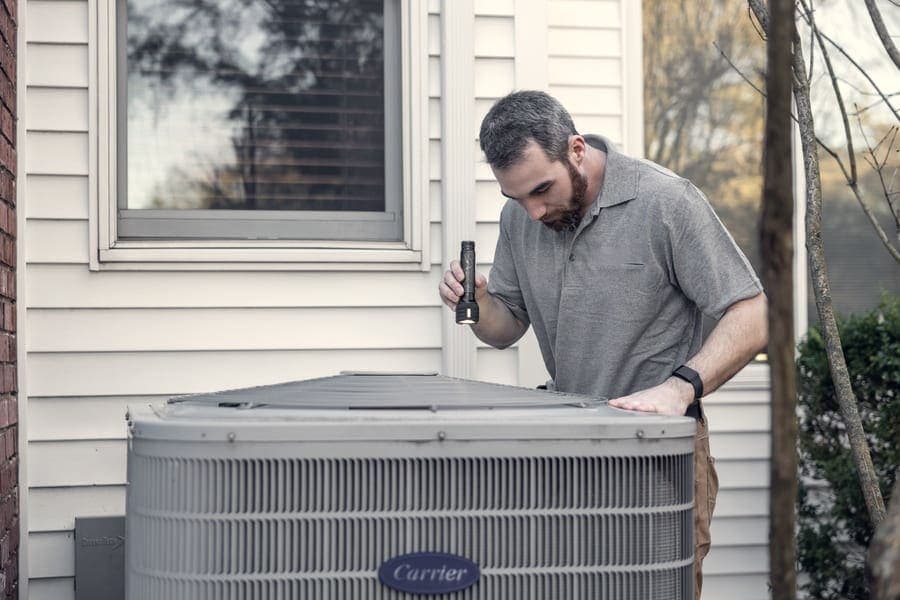
Which pool heater to buy
Every type of pool heater ranked on what it costs to deliver a million BTU into the water, how many hours it needs to do it, and what the install actually involves.
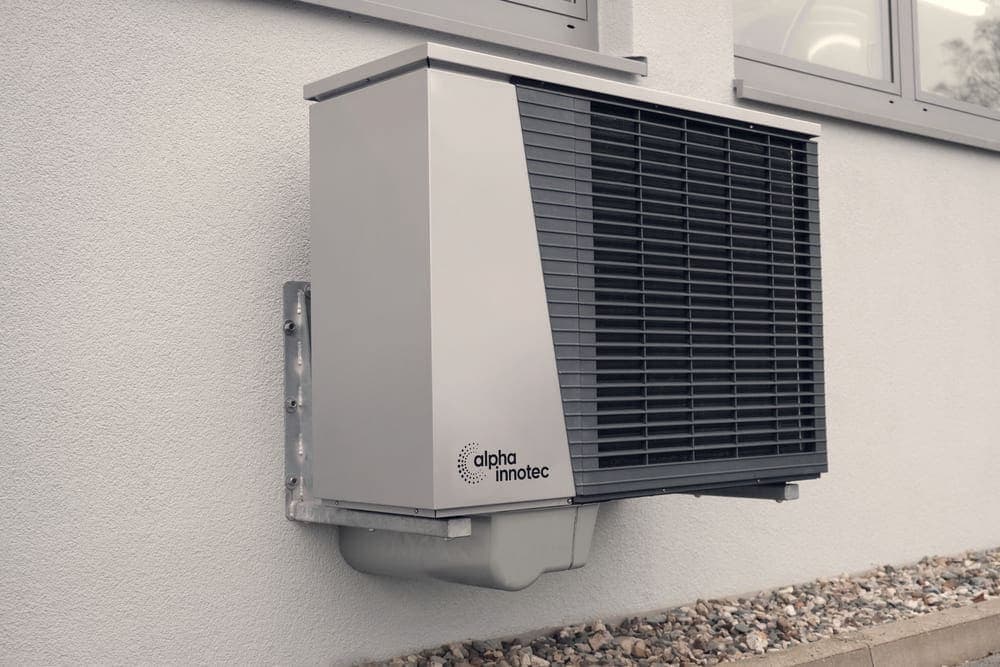
Electric pool heaters
Heat pump or resistance element? Both are sold as electric pool heaters and one costs five times what the other does to deliver the same heat. How to tell which is which before you buy.
Heat pump vs gas pool heater
The two options priced per delivered BTU and timed on the same pool, with the one question that decides which trade suits you.
What a pool heat pump costs to run
The heat pump running-cost derivation, what happens to it in cold air, and the two inputs that change the answer more than anything else.

How much does it cost to heat a pool?
The complete cost model: what a million BTU costs to deliver with each fuel, what that means per degree and per pool size, and why heat-up cost is not your monthly bill.