Winterizing a pool heater
The heater is the most expensive thing on the equipment pad and the easiest to ruin over a winter. Two mistakes account for most of it, and one of them is a cover.
Quick picks
What the job actually needs. Live prices come from the retail listing.
| # | Product | Best for | Price |
|---|---|---|---|
| 1 | 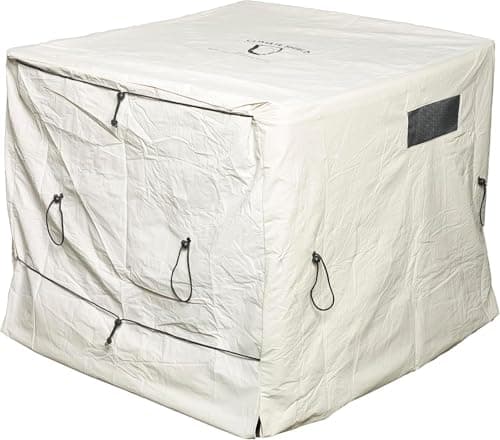 Best heater cover Climate Shield Pool Heater Cover with Mesh Vents The one with built-in mesh vents. A sealed cover traps the condensation that kills control boards. | Covering a heat pump or gas heater over winter without sealing moisture inside it | |
| 2 |  Makes winterizing a two-minute job FibroPool 3-Way Positive Seal Diverter Valve, 1.5 in A three-way diverter lets you isolate the heater instead of draining the whole line past it. | Plumbing a bypass around the new heater while the pipework is already open | |
| 3 | 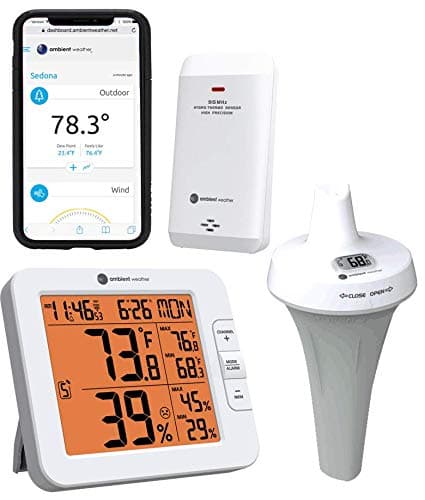 Tells you when it matters Ambient Weather WS-8482 WiFi Weather Station with Floating Pool Thermometer Freeze damage happens on the night you were not watching. A logging thermometer is the warning. | Logging the overnight curve rather than reading two numbers off a float | |
| 4 |  Delays the whole question Sun2Solar 1600 Series Ultimate Blue Solar Cover Every week the cover buys you at the end of the season is a week the heater is still earning its keep. | An inground pool you cover most nights, every season |
#ad We earn a commission if you buy through this link, at no extra cost to you. It never changes the ranking. How this site is funded. Prices last checked October 17, 2026.
What actually breaks
Water expands by about 9% when it freezes, and it does not care what is in the way. A pool heater has water sitting in a heat exchanger, in a header, and in whatever pipework runs to and from it. If that water freezes hard, the exchanger splits — and a split exchanger is the failure that ends a heater, as our page on how long pool heaters last sets out.
The second failure is quieter and more common than people expect: condensation on the electronics. A control board that spends a winter damp corrodes. This is the failure a cover is supposed to prevent and frequently causes, which is the subject of the next section.
The cover mistake
The instinctive move is a waterproof bag over the heater. It is also how a lot of heaters are damaged, because the moisture already inside the cabinet — and the moisture that condenses as the metal cools each night — has nowhere to go. A sealed cover turns the cabinet into a damp box for five months.
The fix is ventilation. The cover we rank above states a patented built-in mesh vent system creating cross-ventilation, and its maker names the reason explicitly: preventing moisture buildup that damages the internal electronics. That is the specification to look for, and most listings in this category do not have it.
| Feature | Why it matters |
|---|---|
| Mesh vents / cross-ventilation | The single most important feature. Without it the cover traps condensation against the control board. |
| A lining that will not stick | Bare vinyl against a warm cabinet bonds to the finish. A cotton or fleece lining stops that. |
| Secure fixing in wind | A cover that blows off in November protects nothing for the rest of the winter. |
| Stated brand fit | 'Fits all' usually means it was measured against nothing. Named brands at least imply somebody checked. |
A cover is genuinely worth having — it keeps rain, leaves and rodents out of a cabinet that has plenty of places for all three. It just has to breathe.
One thing a cover does not do: prevent freeze damage. The water inside the heater is what freezes, and a fabric cover does nothing about that. Draining is the step that matters, and no cover substitutes for it.
The sequence
This is the general shape of the job. Your manufacturer’s manual is the authority for your specific heater and it will name the plugs and their locations; we are describing the pattern, not replacing the manual.
- Turn the heater off at the unit and at the breaker or gas valve. Not just the thermostat — you do not want it attempting to fire on a drained exchanger.
- Let the pump push the heater’s water out, or open the drain plugs. Gas heaters and heat pumps both have drain plugs on the exchanger or header. They are the parts people miss, because there are usually two and one is underneath.
- Leave the drain plugs out for the winter, somewhere you will find them. Taped inside the cabinet door is the traditional answer.
- Isolate the heater if you have a bypass. A three-way diverter lets you route flow past the heater entirely, which turns this into a valve turn rather than a drain-down. If you do not have one, the bypass valve page covers which one to buy, and our page on replacing a pool heater explains why to fit one next time the plumbing is open.
- Blow out or plug the lines to and from it, as part of closing the rest of the pool plumbing.
- Cover it — with something vented. See above.
Heat pumps: the same job, two differences
A heat pump drains the same way and has the same freeze risk in its titanium exchanger. Two things differ.
- There is no gas to isolate, but there is a dedicated 240V circuit, and it should be off at the breaker.
- Do not cover the top tightly if the unit discharges upward. Vertical-discharge inverters like the ones in our inverter heat pump comparison move air through the top. A cover that seals it is worse than one that drapes.
A heat pump left uncovered is generally fine as a machine — it is built to live outdoors — but the cabinet fills with leaves and the fan grille becomes a rodent door. That is what the cover is actually for.
Solar panels are the exception, and the worst case
A solar collector array is the most freeze-vulnerable thing on this site and the easiest to forget, because it is on a roof and out of sight. The panels are full of water and they will split.
Almost all systems drain by gravity when the pump stops and the diverter is closed, but it depends on how they were plumbed. Our solar install guide covers freeze protection and winterizing, and it is the section people skip when they install panels in June. If you are fitting an array from our inground panel roundup, read that section before the first autumn.
When to do it
The trigger is the first hard freeze forecast, not a date. In practice people winterize too early — the shoulder season is exactly the period this whole site exists to extend, and shutting down in September throws away weeks of swimming a cover would have given you.
Watch the overnight water temperature rather than the calendar. A logging thermometer makes that a glance rather than a chore, and our page on stretching the swim season covers how far you can reasonably push it.
Every pick, in detail
What each one publishes, what is good and bad about it, and — the section this category usually omits — what we could not judge without owning one.
Climate Shield Pool Heater Cover with Mesh Vents
The heater cover to buy, and the reason is a detail almost every competitor gets wrong: it has built-in mesh vents. A sealed waterproof bag over a heat pump traps the moisture already inside it, and condensation against a control board over a whole winter does more damage than the weather would have. Climate Shield's patented vent system creates cross-ventilation instead. Heavy-duty vinyl with a cotton lining so it does not stick, stated to fit Hayward, Pentair and Raypak, and it goes on without disconnecting any plumbing.
Best for Covering a heat pump or gas heater over winter without sealing moisture inside it
| Ventilation | Patented built-in mesh vents creating cross-ventilationThe specification that matters. The maker states the purpose explicitly: preventing moisture buildup that damages the internal electronics. | Manufacturer |
|---|---|---|
| Material | Heavy-duty vinyl with a cotton liningThe lining is there so the cover does not stick to the cabinet in heat. | Manufacturer |
| Fit | Stated universal across Hayward, Pentair and Raypak equipment | Manufacturer |
| Dimensions | 37.5 x 30.5 x 36 in | Retail listing |
| Install | No plumbing disconnection required | Manufacturer |
- Vented rather than sealed, which is the difference between protecting and corroding
- States the brands it fits instead of claiming to fit everything
- Light and easy to fit and remove
- Stock has been thin every time we have checked
- One size — a very large inverter unit will not be covered by it
- No published wind rating, and a cover that blows off protects nothing
- How the vinyl holds up after several winters of UV and frost
- Whether the vents move enough air on a fully enclosed pad
- Fit on specific heater models, since only brands are named
These need a unit in hand across a season. We do not have one, so we do not have an opinion worth printing on them.
#ad We earn a commission if you buy through this link, at no extra cost to you. It never changes the ranking. How this site is funded. Prices last checked October 17, 2026.
FibroPool 3-Way Positive Seal Diverter Valve, 1.5 in
The valve that turns a heater swap into a heater swap you can service. A three-way diverter plumbed around the heater lets you route flow past it entirely — for winterizing, for a repair, or for the days you do not want the heat. FibroPool publishes a CPVC body rated to 50 psi, lubeless PTFE seats and a one-year warranty, which is more than most pool valves state. If the old heater came out and the plumbing is already cut, this is the cheapest upgrade available and the one you cannot retrofit later without cutting it again.
Best for Plumbing a bypass around the new heater while the pipework is already open
| Size | 1.5 in slip ports1.5 in is the common above-ground and small-inground size. Full-size inground equipment pads are frequently plumbed in 2 in, and this valve does not fit those. | Manufacturer |
|---|---|---|
| Body | CPVC, rated to 50 psi | Manufacturer |
| Seats | Lubeless PTFE, described as serviceableThe usual failure on a pool diverter is a dried-out greased seat. PTFE seats are meant to remove that maintenance item. | Manufacturer |
| Function | Handle closes any one of the three ports, or leaves all three open and throttled | Manufacturer |
| Warranty | 1 year manufacturer | Manufacturer |
- Publishes a pressure rating and a warranty, which pool valves often do not
- Lubeless seats remove an annual maintenance job
- Lets you throttle rather than just divert, which matters on heat pumps with a flow window
- 1.5 in only — wrong size for most full-size inground equipment pads
- Slip ports glue in permanently; there is no union version of this valve
- 50 psi is adequate rather than generous for a system with a dirty filter
- Handle and seat life across many seasons of sun
- Whether the CPVC body tolerates repeated freeze cycles
- How it behaves at the top of its pressure rating
These need a unit in hand across a season. We do not have one, so we do not have an opinion worth printing on them.
#ad We earn a commission if you buy through this link, at no extra cost to you. It never changes the ranking. How this site is funded. Prices last checked October 17, 2026.
Ambient Weather WS-8482 WiFi Weather Station with Floating Pool Thermometer
The logging option: a WiFi station that records the pool float alongside indoor and outdoor temperature and humidity, and puts the graph on your phone. For most pools it is more instrument than the job needs. For anyone who actually wants to see the overnight curve — how fast the pool cools after dusk, whether a cover changed the slope — it is the only pick on this page that draws that curve for you rather than leaving you with two readings and a subtraction.
Best for Logging the overnight curve rather than reading two numbers off a float
| Channels | Seven, with the floating pool sensor includedThe manufacturer publishes no retrievable specification sheet; figure is as listed at retail. | Retail listing |
|---|---|---|
| Connectivity | WiFi, with app and cloud logging | Retail listing |
| Also measures | Indoor and outdoor temperature and humidity | Retail listing |
| Reads at | The surface | Published standard |
- Logs the whole overnight curve, which no float-and-console kit does
- Air temperature and humidity alongside the water — the evaporation drivers
- Alarms, so a cover left off becomes a notification rather than a surprise
- Considerably more money than the question usually deserves
- WiFi setup and a cloud account, which is a different kind of failure mode
- Surface reading only, like every float
- Float seal life in treated water
- Whether the WiFi holds at the distance your pool sits from the router
- Accuracy against a reference
These need a unit in hand across a season. We do not have one, so we do not have an opinion worth printing on them.
#ad We earn a commission if you buy through this link, at no extra cost to you. It never changes the ranking. How this site is funded. Prices last checked October 17, 2026.
Sun2Solar 1600 Series Ultimate Blue Solar Cover
The cover to buy if you intend to keep using it in five years. 16 mil is the thickest tier the category sells, and thickness on a solar cover buys durability rather than heat — Bob Vila measured every cover in its hands-on group at the same 4 to 5 degrees, from 12-mil clear to 16-mil blue. Pay the extra for the one that survives being dragged over the coping twice a day, not for a temperature difference that did not show up in the only published one-hour test in this category.
Best for An inground pool you cover most nights, every season
| Price shown for | 24 ft roundThis product is sold in several sizes on one listing. The live price and photograph on this page are the ones Amazon returns for this variant; other sizes are priced separately. | Retail listing |
|---|---|---|
| Thickness | 16 milThe manufacturer publishes no retrievable specification sheet; figure is as listed at retail. | Retail listing |
| Color | Blue | Retail listing |
| Stated lifespan | 5 to 10 years for the 16-mil tierSwim University's published figure for 16-mil covers generally, not a Sun2Solar warranty statement. | Retail listing |
| Bubble side | Bubbles face the waterCategory-wide instruction, not brand-specific. The bubbles are the insulating layer and they have to touch the water. | Published standard |
4 to 5 degrees F in one hour
Claimed by Bob Vila, measured across all covers in their group. Conditions: One hour under 2pm sun on 89 to 92 degree F days. Source
Their figure was the same for every cover they put on the water. Read our reconciliation of what a one-hour reading actually measures before you plan around this number.
- Thickest tier sold, which is where the durability difference actually is
- Blue absorbs more of the incoming energy at the surface than clear does
- Cuts oversize to your pool shape with household scissors
- Heavy and awkward at 16 mil — a large inground cover is genuinely a two-person job without a reel
- Costs meaningfully more than the 12-mil version for no measured heating advantage
- Whether the seams hold up over five seasons of daily handling
- How the bubble layer survives repeated dragging over rough coping
- Whether the stated lifespan tier holds for this specific product line
These need a unit in hand across a season. We do not have one, so we do not have an opinion worth printing on them.
#ad We earn a commission if you buy through this link, at no extra cost to you. It never changes the ranking. How this site is funded. Prices last checked October 17, 2026.
Questions people actually ask
Do I need to winterize my pool heater?
Should I cover my pool heater in winter?
How do I drain a pool heater for winter?
Do pool heat pumps need winterizing?
When should I winterize my pool heater?
Can I leave water in my pool heater over winter?
- Climate Shield OSCS-HC pool heater cover listing: heavy-duty vinyl with a cotton lining, a patented built-in mesh vent system for cross-ventilation to stop condensation reaching the electronics, stated universal fit across Hayward, Pentair and Raypak, and fitted without disconnecting plumbingClimate Shield by Outdoor Solutions, as listed at retail · read 2026-09-27
- FibroPool 3-way positive-seal diverter valve listing: 1.5 in slip ports, CPVC body rated to 50 psi, lubeless PTFE seats, handle can close any one port or leave all three open, 1-year manufacturer warranty, and named on the listing as suitable for heater plumbingFibroPool, as listed at retail · read 2026-09-26
- U.S. Department of Energy pool-energy figures (evaporation share, BTU per pound evaporated, cover savings, recommended temperatures, wind effect)Recreonics, reproducing and attributing the U.S. Department of Energy · read 2026-09-02
#ad Where a retailer’s listing is cited above as the source of a published specification, that link is an affiliate link, at no extra cost to you. Independent sources and manufacturer documentation are never wrapped and earn nothing. How this site is funded.
Every URL above was fetched and returned content on the date shown. Where a figure is ours rather than somebody else’s, the arithmetic is on the page and on the methodology page. If you find an error in it, we would genuinely like to know.
Read next
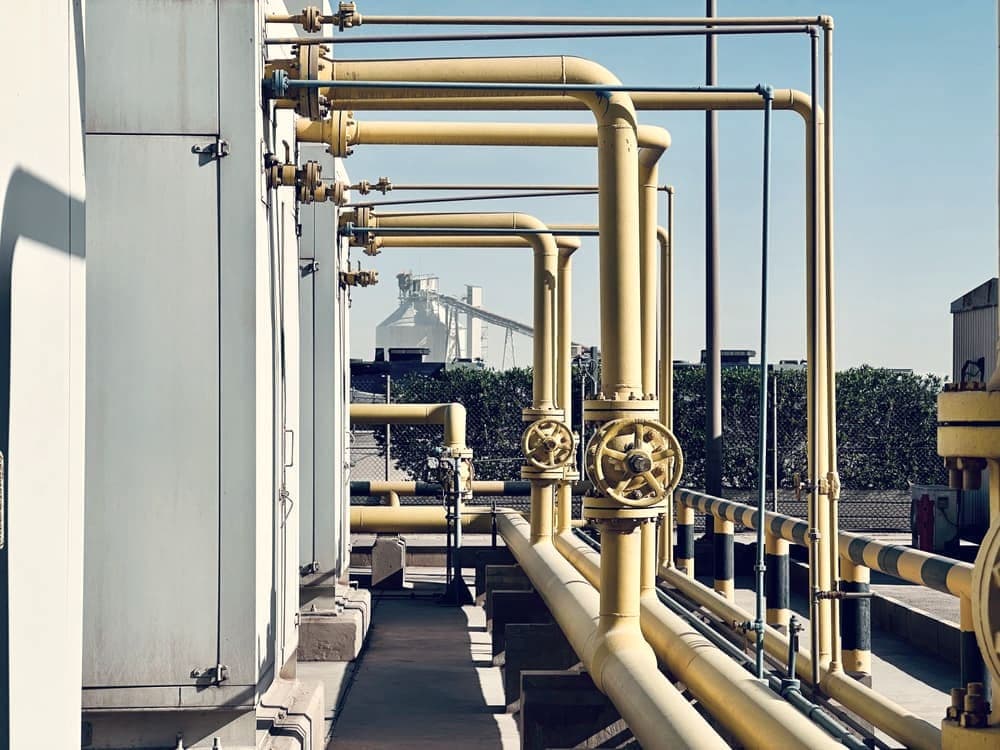
How long do pool heaters last?
Lifespan by heater type, the components that actually fail, what the warranties really cover, and how that should change what you buy in the first place.
Replacing a pool heater
What carries over from the old heater and what does not, why matching the old BTU is usually wrong, and why a replacement is the one affordable moment to switch fuel.
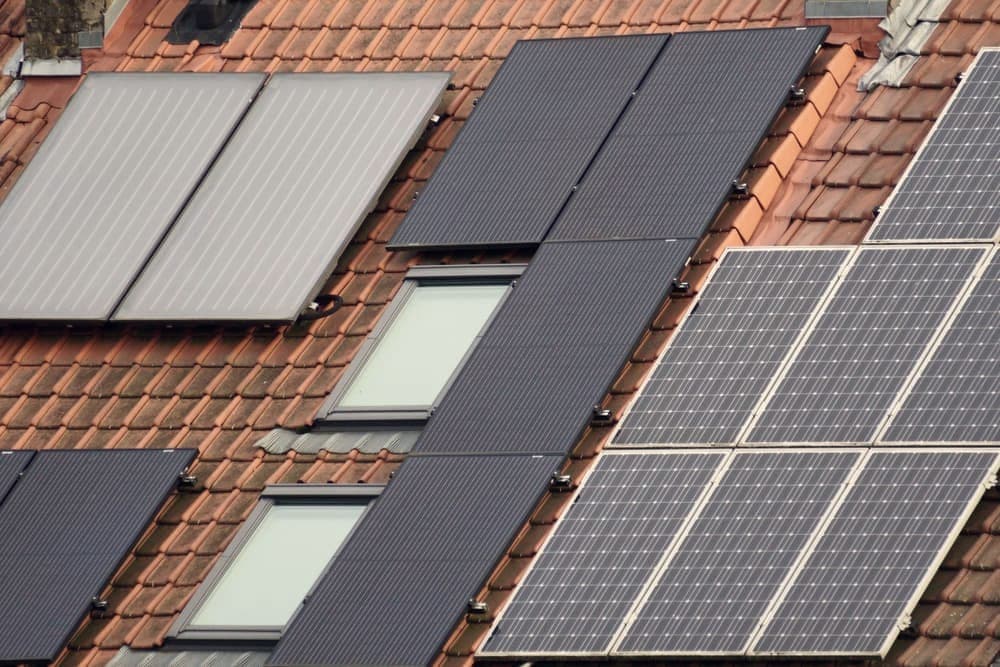
How to heat a pool with solar panels
How much collector area you actually need, where it can go, how it plumbs in, the pump specification that rules people out, and the system kit that is not in the panel box.

Heating a pool in winter
Why winter heating is not summer heating with a bigger bill: the gap widens, heat pumps fade, wind and evaporation both rise, and freeze protection becomes the real constraint.
Inverter pool heat pumps
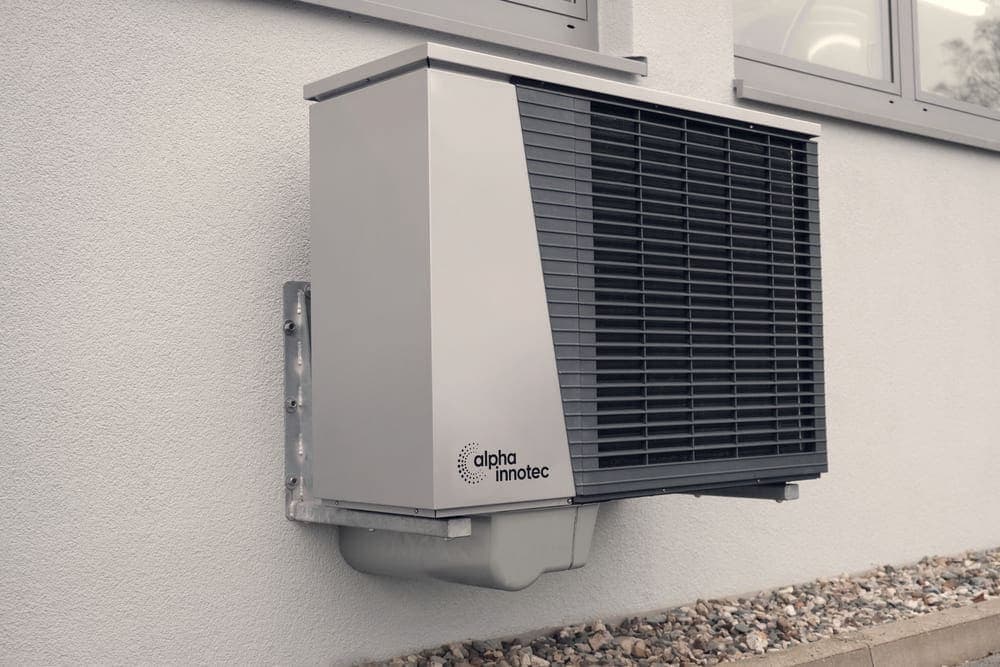
What an inverter actually changes, why 'COP up to 15' is not a number you can use, and the one maker that publishes enough to let you check its own claim.
Do you need a bypass valve on your pool heater?
The four jobs a bypass does, which heater types genuinely require one, and why even a thirty-dollar solar mat ships with one in the box.