Heating a pool in winter
Physically possible, occasionally sensible, and never a linear extension of summer. Here is what actually changes.
Quick picks
In the order the decision actually runs: reduce the loss, pick equipment that works in cold air, and take seriously the possibility that the answer is to close the pool.
| # | Product | Best for | Price |
|---|---|---|---|
| 1 |  Do this before anything else Sun2Solar 1600 Series Ultimate Blue Solar Cover The colder the air, the harder evaporation runs, and the more a cover is worth. This is not optional in winter. | An inground pool you cover most nights, every season | |
| 2 | 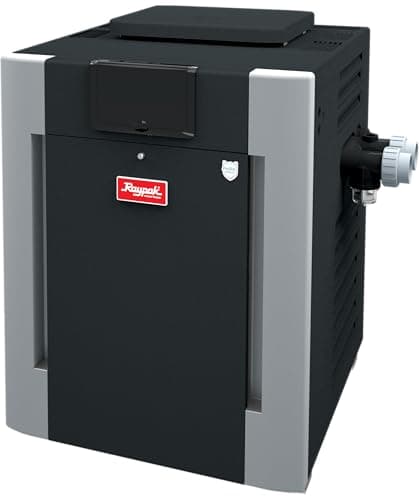 The heater that holds up Raypak Digital Natural Gas Pool Heater Gas does not care how cold the air is. In winter that stops being a footnote and becomes the whole argument. | Heating fast and occasionally, rather than holding a temperature | |
| 3 | 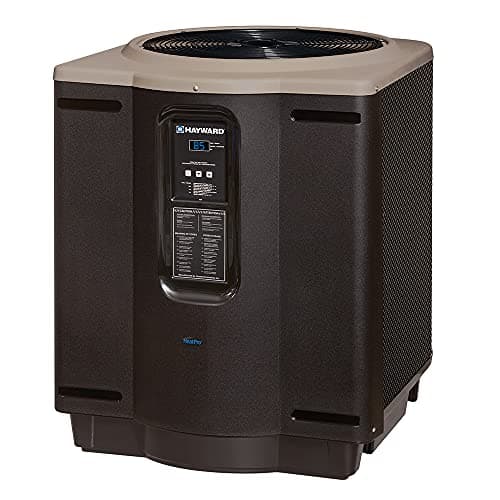 The one that fades when you need it Hayward HeatPro Pool Heat Pump Cheapest to run in July and progressively weaker as the air cools. Honest about its own limit. | Lowest running cost per degree when you want real temperature control | |
| 4 | 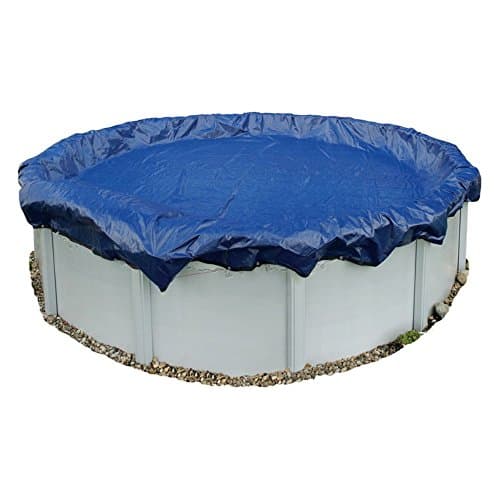 If the honest answer is no Blue Wave Arctic Armor Above-Ground Winter Pool Cover For a lot of pools the right winter decision is to close it properly rather than heat it. | Closing an above-ground pool for winter, not stretching the season |
#ad We earn a commission if you buy through this link, at no extra cost to you. It never changes the ranking. How this site is funded. Prices last checked October 17, 2026.
The short answer
Yes, you can heat a pool in winter. Commercial and municipal pools do it continuously. The question worth asking is not whether it is possible but what it costs and what it asks of your equipment, and on both counts winter is not summer with a bigger number attached — several things change at once and they all push the same way.
What actually changes
The gap widens, and it widens twice. You are heating from a colder starting point, so there is more water temperature to make up. And the loss rate rises at the same time, because heat flows out in proportion to the difference between the water and the air. A pool held at 82°F in 75°F air is losing slowly. The same pool in 40°F air is losing at several times the rate, permanently.
Evaporation runs harder, not softer. This surprises people, because winter feels damp. But evaporation is driven by the difference between the water’s vapor pressure and the air’s, and warm water under cold dry air is the strongest driver there is. That steam rising off a pool on a cold morning is heat leaving at 1,048 BTU for every pound of water that goes with it.
Wind matters more. Winter is windier in most of the US, and DOE puts a 7 mph surface wind at a 300% increase in energy consumption. That multiplier applies to a loss rate that is already higher.
A heat pump gets weaker exactly now. It extracts heat from outdoor air, so both its output and its coefficient of performance fall as the air cools. Below roughly 50°F of air temperature most units deliver very little, and the cheap running cost that made a heat pump the obvious summer choice is not available to you in January.
Which equipment survives winter
Gas. The one technology genuinely unaffected by air temperature. It burns fuel and transfers the heat, and a 40°F morning makes no difference to that. In summer gas is the expensive option you buy for speed; in winter it is frequently the only option that works, which changes the calculation rather than just the price.
Heat pumps. Progressively weaker as the air cools. Some units carry low-ambient ratings and will keep working further down than others, but the direction is fixed by the physics. If winter heating is your actual goal, do not size a heat pump from its summer rating.
Solar. Nearly useless in winter, and the reason is not cold, it is daylight. Shorter days and a lower sun angle mean far less energy arriving, and in a freezing climate the panels have to be drained down anyway or they split. Solar is a season-extension technology, not a winter one.
Electric resistance. It works fine in any weather and costs about $53.75 per million BTU delivered, which on a full-size pool in winter is a number that ends the conversation. On a spa it remains reasonable.
The constraint nobody mentions until it happens
Heating a pool through winter means you have not winterized it, and that means the plumbing is full of water in freezing weather. That is the real risk, and it is not a heating problem — it is a burst-pipe problem.
- Water has to keep moving in a hard freeze. Still water in an exposed pipe is what splits it, which is why freeze protection on pool controllers runs the pump rather than the heater.
- A power cut becomes a repair bill. An unheated, un-circulated pool in a deep freeze can damage plumbing and equipment within hours.
- Solar panels must be drained regardless of what you do with the rest of the system.
In a climate with genuine hard freezes, this is the argument that usually decides it, ahead of the running cost.
When heating through winter genuinely makes sense
- A mild climate. Where winter means 50°F rather than 20°F, the gap is smaller, the freeze risk is low and a heat pump may still be working. This is a different question from the one someone in Michigan is asking.
- A small volume. Energy scales directly with gallons. A spa or a small pool is a fraction of the problem a 20,000-gallon pool is.
- An enclosure. An indoor pool or a sound enclosure removes the wind and cuts the evaporation driver, which is a bigger effect than any equipment choice on this page. The domestic version of that is a pool dome, though every one we could find is a summer and shoulder-season structure with no published snow load.
- You will actually swim. Heating a pool nobody enters because the deck is freezing is the commonest version of this mistake.
If you are going to do it
- Cover it, without exception. Every reason a cover matters in summer is larger in winter, because the driver behind evaporation is stronger. An uncovered heated pool in cold air is close to the definition of wasted fuel.
- Lower the target. DOE puts each extra degree at 10 to 30% more, and that penalty applies to a bill that is already up.
- Heat in bursts rather than holding a temperature, unless you swim most days. Holding 82°F through February means paying the elevated loss rate around the clock.
- Get the freeze protection right before the first hard night, not after it.
- Cost it first. The running-cost calculator takes your volume, your rates and your equipment, and it is a great deal cheaper to be surprised by a number on a screen than by one on a bill.
If the answer is that you are not heating through winter, the equipment still needs putting to bed properly. Winterizing a pool heater covers what freezes, what to drain and why a sealed cover is the wrong kind.
The alternative worth taking seriously
For a lot of pools the right winter answer is to close it properly and put the money into a longer shoulder season at both ends instead. Two extra weeks in April and two in October is a cheaper and more usable outcome than a heated pool in January that gets used twice.
Stretching the swim season is the page for that strategy, and solar cover against winter cover covers what to put on the pool if you decide to shut it down.
Every pick, in detail
What each one publishes, what is good and bad about it, and — the section this category usually omits — what we could not judge without owning one.
Sun2Solar 1600 Series Ultimate Blue Solar Cover
The cover to buy if you intend to keep using it in five years. 16 mil is the thickest tier the category sells, and thickness on a solar cover buys durability rather than heat — Bob Vila measured every cover in its hands-on group at the same 4 to 5 degrees, from 12-mil clear to 16-mil blue. Pay the extra for the one that survives being dragged over the coping twice a day, not for a temperature difference that did not show up in the only published one-hour test in this category.
Best for An inground pool you cover most nights, every season
| Price shown for | 24 ft roundThis product is sold in several sizes on one listing. The live price and photograph on this page are the ones Amazon returns for this variant; other sizes are priced separately. | Retail listing |
|---|---|---|
| Thickness | 16 milThe manufacturer publishes no retrievable specification sheet; figure is as listed at retail. | Retail listing |
| Color | Blue | Retail listing |
| Stated lifespan | 5 to 10 years for the 16-mil tierSwim University's published figure for 16-mil covers generally, not a Sun2Solar warranty statement. | Retail listing |
| Bubble side | Bubbles face the waterCategory-wide instruction, not brand-specific. The bubbles are the insulating layer and they have to touch the water. | Published standard |
4 to 5 degrees F in one hour
Claimed by Bob Vila, measured across all covers in their group. Conditions: One hour under 2pm sun on 89 to 92 degree F days. Source
Their figure was the same for every cover they put on the water. Read our reconciliation of what a one-hour reading actually measures before you plan around this number.
- Thickest tier sold, which is where the durability difference actually is
- Blue absorbs more of the incoming energy at the surface than clear does
- Cuts oversize to your pool shape with household scissors
- Heavy and awkward at 16 mil — a large inground cover is genuinely a two-person job without a reel
- Costs meaningfully more than the 12-mil version for no measured heating advantage
- Whether the seams hold up over five seasons of daily handling
- How the bubble layer survives repeated dragging over rough coping
- Whether the stated lifespan tier holds for this specific product line
These need a unit in hand across a season. We do not have one, so we do not have an opinion worth printing on them.
#ad We earn a commission if you buy through this link, at no extra cost to you. It never changes the ranking. How this site is funded. Prices last checked October 17, 2026.
Raypak Digital Natural Gas Pool Heater
The right answer when speed matters more than running cost — a weekend pool you want warm on Friday afternoon rather than one you hold at temperature all season. At the assumptions we publish, gas costs roughly two and a half times what a heat pump costs per delivered BTU, and it will get there in a fifth of the time. Buy the speed if you need the speed.
Best for Heating fast and occasionally, rather than holding a temperature
| Type | Natural gas or propane fired, digital controlThe manufacturer publishes no retrievable specification sheet; figure is as listed at retail. | Retail listing |
|---|---|---|
| Rating convention | Rated by BTU/hr INPUTA 400,000 BTU gas heater burns 400,000 BTU an hour and delivers roughly 82% of it. Do not compare that number directly against a heat pump's output rating. | Published standard |
| Cost per million BTU delivered | About $28.36 at our published assumptionsUS average residential natural gas at $24.09/Mcf (EIA, June 2026) and an assumed 82% thermal efficiency. | Our arithmetic |
- Fast — hours rather than most of a day on a full-size pool
- Works the same in cold air, unlike a heat pump
- Lower purchase price than a heat pump of equivalent real output
- Roughly two and a half times a heat pump's cost per delivered BTU
- Needs a gas line sized for it, which is often the real cost
- Propane instead of natural gas raises the running cost by about a quarter again
- The efficiency this specific unit achieves in service
- Heat exchanger life against your water chemistry
- Whether your existing gas supply can feed it without an upgrade
These need a unit in hand across a season. We do not have one, so we do not have an opinion worth printing on them.
#ad We earn a commission if you buy through this link, at no extra cost to you. It never changes the ranking. How this site is funded. Prices last checked October 17, 2026.
Hayward HeatPro Pool Heat Pump
If you are heating a pool with electricity, this is the shape of machine to do it with. A heat pump moves heat instead of making it, and at the assumptions we publish it delivers a million BTU into the water for about a fifth of what an electric resistance heater costs to deliver the same. It is slower than gas and it fades as the air gets colder, which is exactly when you want it — that trade is the whole decision.
Best for Lowest running cost per degree when you want real temperature control
| Type | Air-source heat pumpThe manufacturer publishes no retrievable specification sheet; figure is as listed at retail. | Retail listing |
|---|---|---|
| Rating convention | Rated by BTU/hr OUTPUTThis is the trap in the category. Gas heaters are rated by fuel INPUT, heat pumps by heat OUTPUT. A 140,000 BTU heat pump and a 140,000 BTU gas heater do not deliver the same heat. | Published standard |
| Cost per million BTU delivered | About $10.75 at our published assumptionsUS average residential electricity at 18.34 cents/kWh (EIA, June 2026) and an assumed COP of 5.0. Both are substitutable on our running-cost calculator. | Our arithmetic |
- Cheapest running cost per delivered BTU of any controllable heater
- No gas line, no combustion, no flue
- Holds a set temperature rather than depending on the weather
- Slow — expect most of a day to move a full-size pool ten degrees
- Efficiency falls with air temperature, so it is weakest in the shoulder season
- High purchase price against a gas heater of comparable output
- The COP this specific unit achieves at your conditions
- Compressor and control-board longevity
- Noise at the distance your deck actually sits from it
These need a unit in hand across a season. We do not have one, so we do not have an opinion worth printing on them.
#ad We earn a commission if you buy through this link, at no extra cost to you. It never changes the ranking. How this site is funded. Prices last checked October 17, 2026.
Blue Wave Arctic Armor Above-Ground Winter Pool Cover
A closing cover, not a heating one, and that distinction is the entire reason it appears on this site. It is opaque woven polyethylene, it straps down with a cable and a winch, and its job is to sit on a shut pool from autumn to spring keeping debris and sunlight out. It will not warm your water, it is not designed to, and if what you want is a few more swimmable weeks then this is the wrong product and a solar cover is the right one.
Best for Closing an above-ground pool for winter, not stretching the season
| Price shown for | 24 ft roundBlue Wave lists each size and color of this cover as a separate item, so the live price and photograph here are for the 24 ft round. Check the size in the title before ordering — the listings are otherwise near-identical. | Retail listing |
|---|---|---|
| Material | Laminated scrim polyethylene at a 14 x 14 scrim count, reinforced heat-sealed seamsThe manufacturer publishes no retrievable specification sheet; figure is as listed at retail. | Retail listing |
| Fixing | 4 ft overlap, metal grommets every 2 ft | Retail listing |
| Underside | Black, stated to block sunlight and inhibit dirt buildup | Retail listing |
| Included | Vinyl-coated cable and a ratcheting winch | Retail listing |
| Warranty | 15-year limited — full coverage in year 1, prorated in years 2 through 15Unusually specific for this category, and unusually long. Read the proration: the full-replacement window is the first year, and the remaining fourteen are a declining credit. A warranty term is a commercial promise rather than a measured service life. | Manufacturer |
| Light transmission | None by designThis is the specification that separates it from a solar cover. A solar cover is transparent or translucent so sunlight reaches the water; a winter cover is opaque so it does not. | Published standard |
- Does the job it is actually for — keeps a closed pool clean through winter
- Cable and winch included rather than sold separately
- A 15-year limited warranty, which is long for a winter cover and published rather than implied
- Adds no heat and is not a season-extension product in any sense
- Far too heavy and awkward to take on and off daily, so it cannot double as a nightly cover
- Blocks the sunlight your pool needs, so leaving it on in the shoulder season makes the water colder
- Whether it reaches its stated warranty term in your climate
- How the seams survive standing water and ice load
- Whether the stated overlap is generous or tight against your pool's real diameter
These need a unit in hand across a season. We do not have one, so we do not have an opinion worth printing on them.
#ad We earn a commission if you buy through this link, at no extra cost to you. It never changes the ranking. How this site is funded. Prices last checked October 17, 2026.
Questions people actually ask
Can you heat a swimming pool in winter?
What is the best pool heater for winter?
Is it cheaper to keep a pool heated all winter or heat it when needed?
Will a solar cover keep my pool from freezing?
How much does it cost to heat a pool in winter?
- Average retail price of electricity to US residential customers: 18.34 cents/kWh, June 2026U.S. Energy Information Administration · read 2026-09-02
- US residential natural gas price: $24.09 per thousand cubic feet, June 2026U.S. Energy Information Administration · read 2026-09-02
- US residential propane price: $2.674 per gallon, week ending 30 March 2026U.S. Energy Information Administration · read 2026-09-02
- Energy content conversion factors: 3,412 BTU per kWh, 1,036 BTU per cubic foot of natural gas, 91,452 BTU per gallon of propaneU.S. Energy Information Administration · read 2026-09-02
- U.S. Department of Energy pool-energy figures (evaporation share, BTU per pound evaporated, cover savings, recommended temperatures, wind effect)Recreonics, reproducing and attributing the U.S. Department of Energy · read 2026-09-02
- Pool heater roundup: the 8.33 BTU per gallon per °F figure, attributed on the page to Alicia Toedter of Leslie'sBob Vila · read 2026-09-02
Every URL above was fetched and returned content on the date shown. Where a figure is ours rather than somebody else’s, the arithmetic is on the page and on the methodology page. If you find an error in it, we would genuinely like to know.
Read next
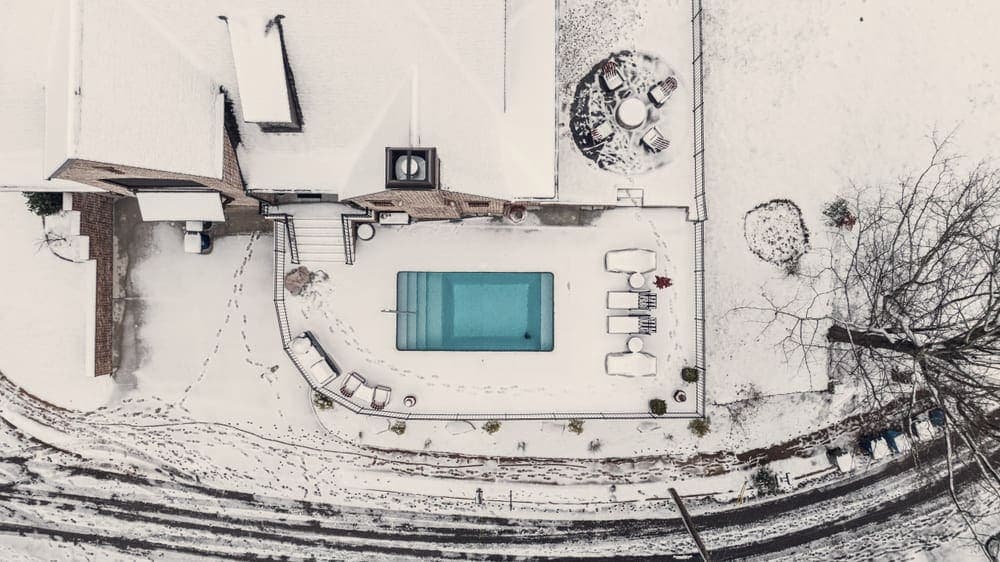
Winterizing a pool heater
What freezing water does to a heat exchanger, the plugs and valves to open, and why a sealed waterproof cover damages more heaters than it protects.
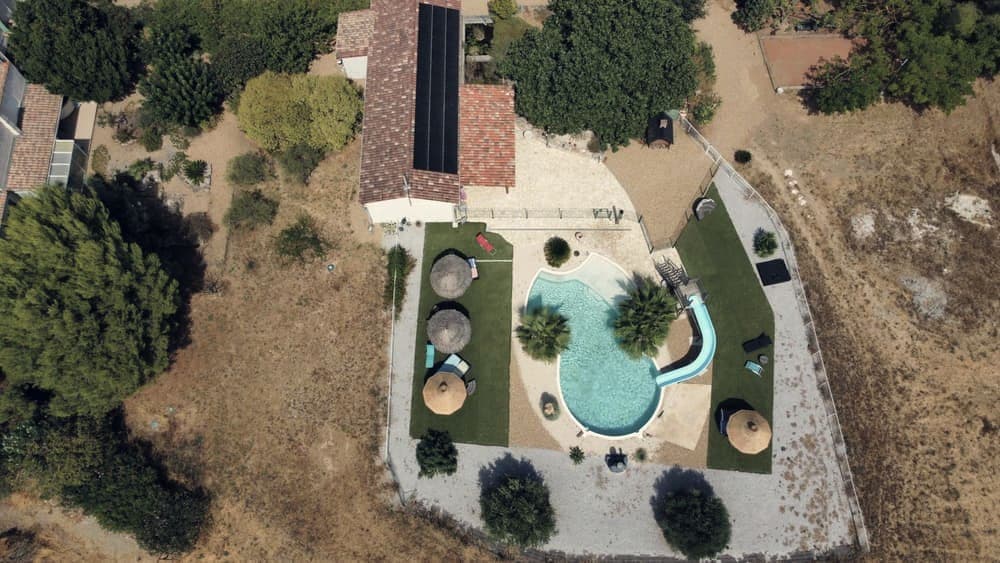
Pool domes and enclosures
Domes and enclosures for above-ground pools, ranked on shell transparency and on whether the maker publishes a fitment spec you can measure against. With the DOE wind figure behind the whole idea.
What it costs to heat a pool in winter
Why winter heating costs escalate faster than the temperature difference suggests, what changes in the physics, and when it is genuinely worth doing.

Stretching the swim season
What actually adds weeks at each end of the season, why the shoulder season is a different problem from midsummer, and the order to spend in.
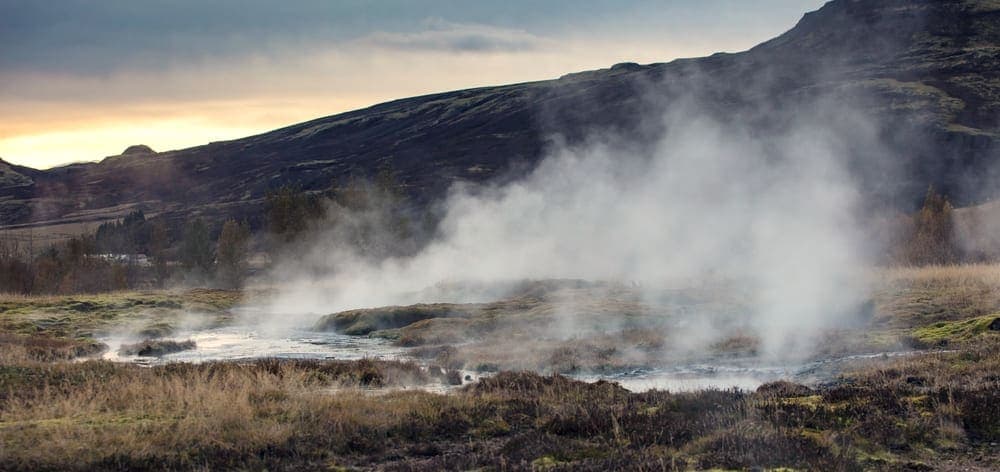
How to keep a pool warm
Four loss paths take heat out of a pool and they are not equal. What addresses each one, ranked by effect per dollar, and the operating choices that matter more than equipment.
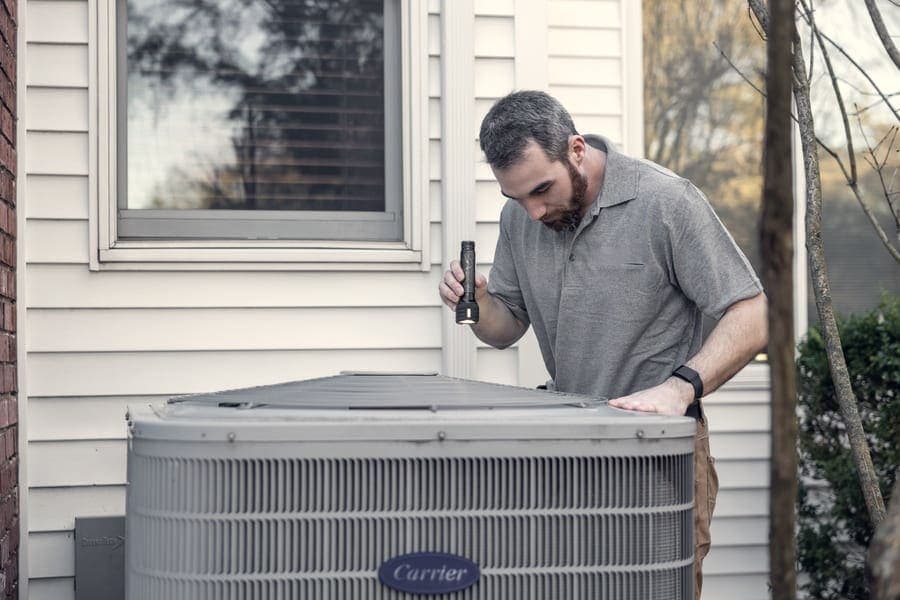
Which pool heater to buy
Every type of pool heater ranked on what it costs to deliver a million BTU into the water, how many hours it needs to do it, and what the install actually involves.
Solar cover vs winter cover
The difference is light transmission, and everything else follows from it. Which cover does which job, whether you need both, and what a winter cover does to your water temperature if you leave it on too long.