What it costs to heat a pool in winter
Not a bigger version of the summer number. Three things change at once, and they multiply.
Quick picks
Ranked for cold-weather operation, which reverses the usual order between gas and a heat pump.
| # | Product | Best for | Price |
|---|---|---|---|
| 1 |  Essential, not optional Sun2Solar 1600 Series Ultimate Blue Solar Cover In winter an uncovered heated pool is close to indefensible. This is the minimum. | An inground pool you cover most nights, every season | |
| 2 | 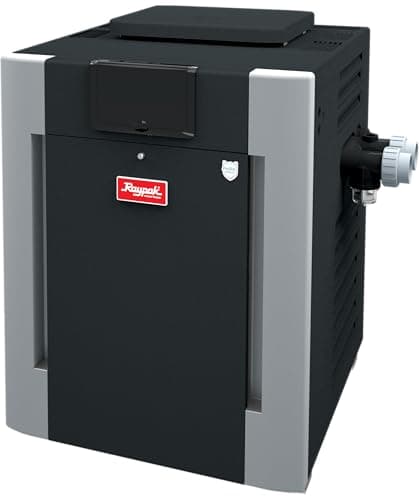 The right technology for cold air Raypak Digital Natural Gas Pool Heater Gas does not care how cold it is outside. A heat pump does. | Heating fast and occasionally, rather than holding a temperature | |
| 3 | 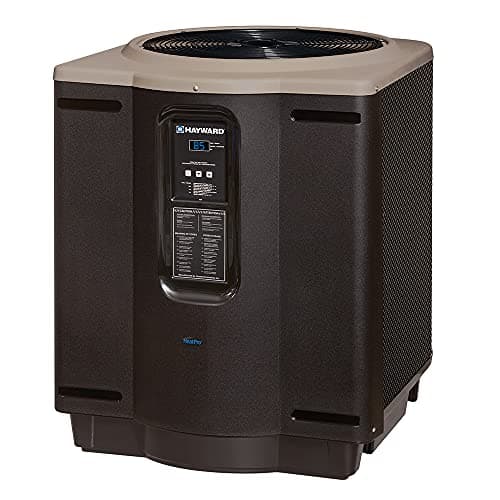 Weakest exactly when you need it Hayward HeatPro Pool Heat Pump Still cheaper per BTU, but its output and efficiency both fall in cold air. | Lowest running cost per degree when you want real temperature control |
#ad We earn a commission if you buy through this link, at no extra cost to you. It never changes the ranking. How this site is funded. Prices last checked October 17, 2026.
Three things change at once
People assume winter heating costs scale with the temperature gap — it is twice as cold, so it costs twice as much. It does not work that way, because three separate terms move in the wrong direction simultaneously.
1. The temperature difference is larger, all the time
A pool at 82°F in 75°F air is fighting a 7-degree gap. The same pool in 35°F air is fighting a 47-degree gap — nearly seven times larger — and it is fighting it for twenty-four hours rather than mostly overnight.
2. Wind matters far more
DOE’s published figure is that a 7 mph surface wind can raise energy consumption by 300%. Winter is windier, and there is no foliage to break it.
3. Your heat pump gets worse precisely now
A heat pump extracts heat from outside air. As the air cools there is less heat available, so both its output and its coefficient of performance fall.
| Conditions | COP | Per million BTU delivered |
|---|---|---|
| Warm summer air | 5.0-6.0 | $8.96 - $10.75 |
| Cool shoulder season | 3.0-4.0 | $13.44 - $17.92 |
| Cold winter air | 2.0 or below | $26.88 or more |
At COP 2.0 a heat pump has lost most of its advantage over natural gas — and it is also delivering far fewer BTU per hour, so heat-ups take much longer. Many pool heat pumps simply stop operating below a cut-off air temperature.
What that adds up to
We are not going to publish a monthly winter figure, because doing it honestly needs a heat-loss model with your air temperature, your wind exposure and your sky conditions — and we have no fetchable source that quantifies those for a residential pool. Inventing a range would be exactly what this site exists not to do.
What we can tell you is the shape of it. Take your summer maintenance cost, then account for a temperature gap several times larger, running continuously rather than mostly at night, with more wind and — on a heat pump — worse efficiency. The result is not double. It is a multiple, and a large one.
| Summer: 82°F pool, 75°F air | 7°F gap |
| Winter: 82°F pool, 35°F air | 47°F gap |
| Ratio of the driving force alone | about 6.7x |
| Before wind, before longer nights, before COP loss |
Heat loss is not perfectly linear in the temperature difference — evaporation, radiation and convection each scale differently — so this is an indication of magnitude rather than a prediction. It is enough to show that 'a bit more than summer' is the wrong mental model.
What to do if you are doing it anyway
Winter heating is genuinely worthwhile for some people — a spa-adjacent pool, a rental property, a mild climate where December means 55°F rather than 25°F. If that is you:
- The cover stops being optional. In winter an uncovered heated pool is losing a very large multiple of what a covered one loses, all day and all night. A 16-mil cover that handles daily use is the right end of the range here.
- Gas becomes the right technology. It does not care about air temperature, and in winter that is worth more than the per-BTU advantage a heat pump has lost. The comparison.
- Lower the target. Each degree is 10 to 30% of the bill per DOE, and in winter you are paying that percentage on a much larger base.
- Block the wind. The 300% figure is doing a lot of work in winter, and a temporary screen is cheap.
The honest recommendation
One pointer before it: this page is the arithmetic. Heating a pool in winter is its practical companion — which equipment still works in cold air, what freeze protection actually requires, and the cases where the right answer is to close the pool instead.
For most people in a climate with a real winter, the better answer is stretching the season at both ends rather than heating through the middle of it. Getting April and October is a manageable problem with a cover, a windbreak and a sensibly sized heater. Getting January is a different order of expense, and the arithmetic above is why.
Every pick, in detail
What each one publishes, what is good and bad about it, and — the section this category usually omits — what we could not judge without owning one.
Sun2Solar 1600 Series Ultimate Blue Solar Cover
The cover to buy if you intend to keep using it in five years. 16 mil is the thickest tier the category sells, and thickness on a solar cover buys durability rather than heat — Bob Vila measured every cover in its hands-on group at the same 4 to 5 degrees, from 12-mil clear to 16-mil blue. Pay the extra for the one that survives being dragged over the coping twice a day, not for a temperature difference that did not show up in the only published one-hour test in this category.
Best for An inground pool you cover most nights, every season
| Price shown for | 24 ft roundThis product is sold in several sizes on one listing. The live price and photograph on this page are the ones Amazon returns for this variant; other sizes are priced separately. | Retail listing |
|---|---|---|
| Thickness | 16 milThe manufacturer publishes no retrievable specification sheet; figure is as listed at retail. | Retail listing |
| Color | Blue | Retail listing |
| Stated lifespan | 5 to 10 years for the 16-mil tierSwim University's published figure for 16-mil covers generally, not a Sun2Solar warranty statement. | Retail listing |
| Bubble side | Bubbles face the waterCategory-wide instruction, not brand-specific. The bubbles are the insulating layer and they have to touch the water. | Published standard |
4 to 5 degrees F in one hour
Claimed by Bob Vila, measured across all covers in their group. Conditions: One hour under 2pm sun on 89 to 92 degree F days. Source
Their figure was the same for every cover they put on the water. Read our reconciliation of what a one-hour reading actually measures before you plan around this number.
- Thickest tier sold, which is where the durability difference actually is
- Blue absorbs more of the incoming energy at the surface than clear does
- Cuts oversize to your pool shape with household scissors
- Heavy and awkward at 16 mil — a large inground cover is genuinely a two-person job without a reel
- Costs meaningfully more than the 12-mil version for no measured heating advantage
- Whether the seams hold up over five seasons of daily handling
- How the bubble layer survives repeated dragging over rough coping
- Whether the stated lifespan tier holds for this specific product line
These need a unit in hand across a season. We do not have one, so we do not have an opinion worth printing on them.
#ad We earn a commission if you buy through this link, at no extra cost to you. It never changes the ranking. How this site is funded. Prices last checked October 17, 2026.
Raypak Digital Natural Gas Pool Heater
The right answer when speed matters more than running cost — a weekend pool you want warm on Friday afternoon rather than one you hold at temperature all season. At the assumptions we publish, gas costs roughly two and a half times what a heat pump costs per delivered BTU, and it will get there in a fifth of the time. Buy the speed if you need the speed.
Best for Heating fast and occasionally, rather than holding a temperature
| Type | Natural gas or propane fired, digital controlThe manufacturer publishes no retrievable specification sheet; figure is as listed at retail. | Retail listing |
|---|---|---|
| Rating convention | Rated by BTU/hr INPUTA 400,000 BTU gas heater burns 400,000 BTU an hour and delivers roughly 82% of it. Do not compare that number directly against a heat pump's output rating. | Published standard |
| Cost per million BTU delivered | About $28.36 at our published assumptionsUS average residential natural gas at $24.09/Mcf (EIA, June 2026) and an assumed 82% thermal efficiency. | Our arithmetic |
- Fast — hours rather than most of a day on a full-size pool
- Works the same in cold air, unlike a heat pump
- Lower purchase price than a heat pump of equivalent real output
- Roughly two and a half times a heat pump's cost per delivered BTU
- Needs a gas line sized for it, which is often the real cost
- Propane instead of natural gas raises the running cost by about a quarter again
- The efficiency this specific unit achieves in service
- Heat exchanger life against your water chemistry
- Whether your existing gas supply can feed it without an upgrade
These need a unit in hand across a season. We do not have one, so we do not have an opinion worth printing on them.
#ad We earn a commission if you buy through this link, at no extra cost to you. It never changes the ranking. How this site is funded. Prices last checked October 17, 2026.
Hayward HeatPro Pool Heat Pump
If you are heating a pool with electricity, this is the shape of machine to do it with. A heat pump moves heat instead of making it, and at the assumptions we publish it delivers a million BTU into the water for about a fifth of what an electric resistance heater costs to deliver the same. It is slower than gas and it fades as the air gets colder, which is exactly when you want it — that trade is the whole decision.
Best for Lowest running cost per degree when you want real temperature control
| Type | Air-source heat pumpThe manufacturer publishes no retrievable specification sheet; figure is as listed at retail. | Retail listing |
|---|---|---|
| Rating convention | Rated by BTU/hr OUTPUTThis is the trap in the category. Gas heaters are rated by fuel INPUT, heat pumps by heat OUTPUT. A 140,000 BTU heat pump and a 140,000 BTU gas heater do not deliver the same heat. | Published standard |
| Cost per million BTU delivered | About $10.75 at our published assumptionsUS average residential electricity at 18.34 cents/kWh (EIA, June 2026) and an assumed COP of 5.0. Both are substitutable on our running-cost calculator. | Our arithmetic |
- Cheapest running cost per delivered BTU of any controllable heater
- No gas line, no combustion, no flue
- Holds a set temperature rather than depending on the weather
- Slow — expect most of a day to move a full-size pool ten degrees
- Efficiency falls with air temperature, so it is weakest in the shoulder season
- High purchase price against a gas heater of comparable output
- The COP this specific unit achieves at your conditions
- Compressor and control-board longevity
- Noise at the distance your deck actually sits from it
These need a unit in hand across a season. We do not have one, so we do not have an opinion worth printing on them.
#ad We earn a commission if you buy through this link, at no extra cost to you. It never changes the ranking. How this site is funded. Prices last checked October 17, 2026.
Questions people actually ask
How much does it cost to heat a pool in winter?
Can you heat a pool in winter?
Is a heat pump or gas heater better in winter?
- Average retail price of electricity to US residential customers: 18.34 cents/kWh, June 2026U.S. Energy Information Administration · read 2026-09-02
- US residential natural gas price: $24.09 per thousand cubic feet, June 2026U.S. Energy Information Administration · read 2026-09-02
- US residential propane price: $2.674 per gallon, week ending 30 March 2026U.S. Energy Information Administration · read 2026-09-02
- Energy content conversion factors: 3,412 BTU per kWh, 1,036 BTU per cubic foot of natural gas, 91,452 BTU per gallon of propaneU.S. Energy Information Administration · read 2026-09-02
- U.S. Department of Energy pool-energy figures (evaporation share, BTU per pound evaporated, cover savings, recommended temperatures, wind effect)Recreonics, reproducing and attributing the U.S. Department of Energy · read 2026-09-02
- Pool heater roundup: the 8.33 BTU per gallon per °F figure, attributed on the page to Alicia Toedter of Leslie'sBob Vila · read 2026-09-02
Every URL above was fetched and returned content on the date shown. Where a figure is ours rather than somebody else’s, the arithmetic is on the page and on the methodology page. If you find an error in it, we would genuinely like to know.
Read next

Heating a pool in winter
Why winter heating is not summer heating with a bigger bill: the gap widens, heat pumps fade, wind and evaporation both rise, and freeze protection becomes the real constraint.
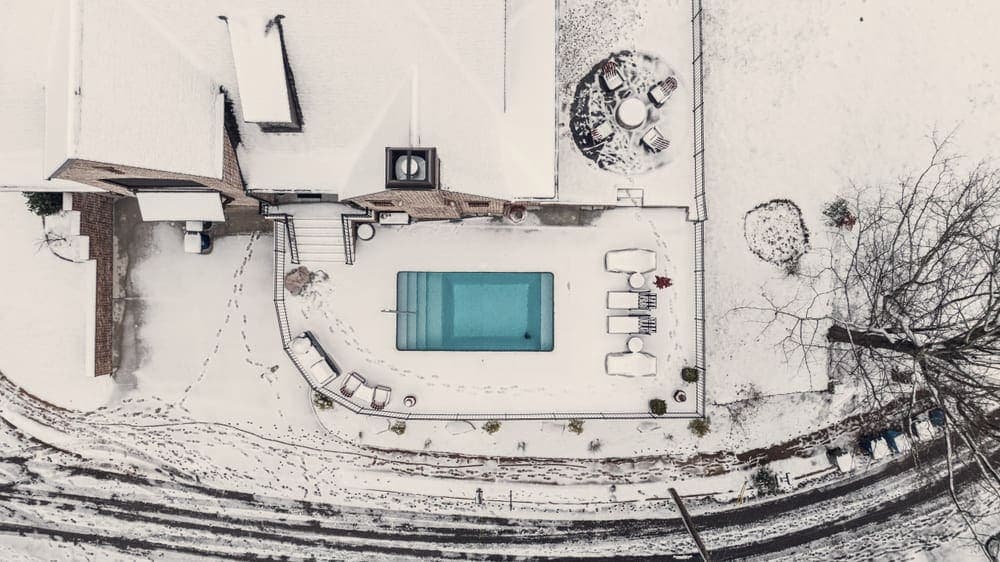
Solar cover vs winter cover
The difference is light transmission, and everything else follows from it. Which cover does which job, whether you need both, and what a winter cover does to your water temperature if you leave it on too long.
Stretching the swim season
What actually adds weeks at each end of the season, why the shoulder season is a different problem from midsummer, and the order to spend in.
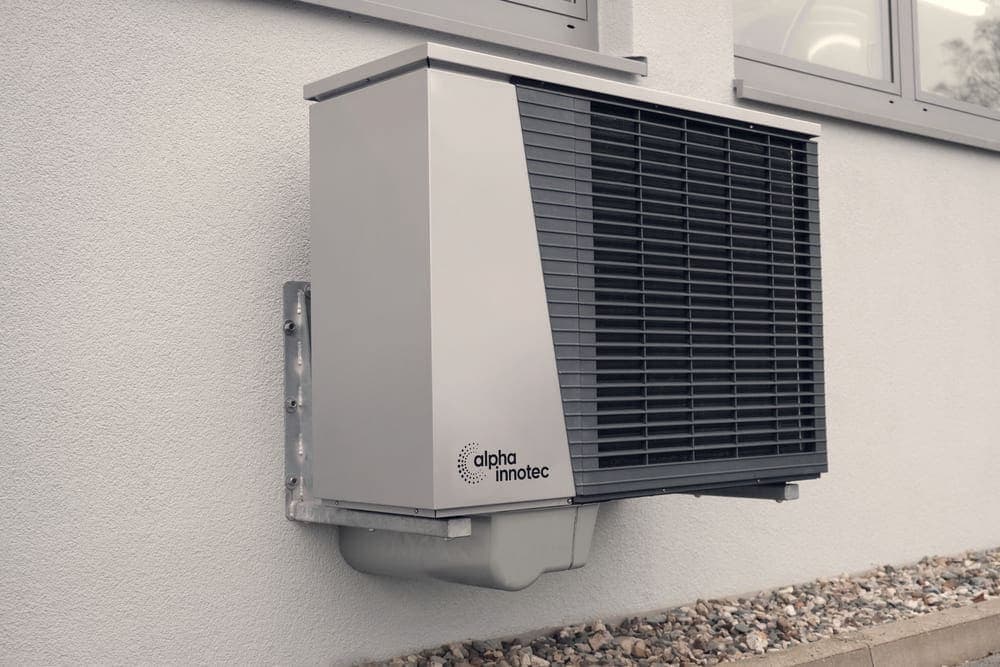
Heat pump vs gas pool heater
The two options priced per delivered BTU and timed on the same pool, with the one question that decides which trade suits you.

How much does it cost to heat a pool?
The complete cost model: what a million BTU costs to deliver with each fuel, what that means per degree and per pool size, and why heat-up cost is not your monthly bill.
How fast a pool loses heat
Evaporation, radiation, convection and conduction, with the arithmetic on what each night actually costs and a measurement you can take yourself.

Solar pool covers worth buying
Ranked on the specifications that actually differ between covers — thickness tier and published lifespan — because the only hands-on test in this category found no heating difference at all.